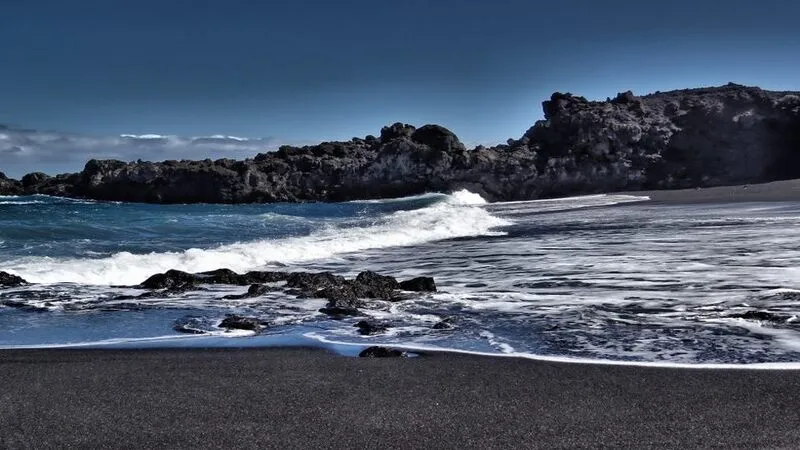
Black Beach Spain – Your Ultimate Guide to the Canary Islands’ Volcanic Shores

Spain is famous for its sun-kissed Mediterranean coastline, but few travelers know about the dramatic black sand beaches of the Canary Islands. Known for their volcanic origin, these beaches offer a surreal combination of dark sands, turquoise waters, and rugged cliffs — making them some of the most photogenic and unique beaches in Spain.
Whether you’re visiting Tenerife, La Gomera, Lanzarote, or Fuerteventura, a Black Beach experience is unforgettable. This guide covers everything you need to know, from location and activities to tips for families and photographers.
Where Is Black Beach in Spain?
The term “Black Beach” generally refers to beaches with volcanic black sand, scattered across the Canary Islands:
- Playa de la Arena, Tenerife – Easily accessible and popular for its dramatic coastline and natural beauty.
- Playa Negra, La Gomera – A quieter, secluded option for travelers seeking privacy.
- Janubio Beach, Lanzarote – Known for its deep black volcanic sand and calm waters.
- Ajuy Beach, Fuerteventura – Surrounded by cliffs and ideal for photography and exploration.
These beaches are mostly located along volcanic coastlines, with the Atlantic Ocean giving the waters a striking contrast against the dark sand. Accessibility varies: some are near towns with parking, while others require a short hike.
What Makes Black Beaches Special?
Unlike typical golden beaches, Black Beaches are formed by volcanic activity, giving the sand a dark hue. The combination of rugged cliffs, crystal-clear water, and black sand makes these beaches both dramatic and peaceful.
- Secluded Atmosphere: Many black beaches are off the beaten path, perfect for travelers who prefer solitude.
- Natural Beauty: Volcanic formations and unique rock patterns create a postcard-perfect environment.
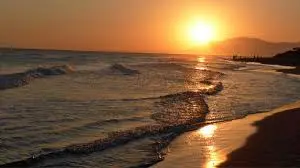
- Photography Paradise: Sunrise and sunset cast magical light on the black sands, ideal for photography.
Things to Do at Black Beaches
Swimming & Water Activities
The waters are generally calm on sheltered beaches like Playa de la Arena, ideal for swimming. Some beaches, such as Ajuy, offer snorkeling opportunities near rocky areas.
Hiking & Exploration
Many black beaches are surrounded by volcanic cliffs. Playa Negra in La Gomera and Janubio in Lanzarote are excellent starting points for coastal hikes.
Photography
The contrast of black sand, turquoise waters, and dramatic cliffs makes these beaches perfect for travel photography. Early morning and late afternoon are ideal for golden light.
Relaxation & Picnics
Many beaches are natural and undeveloped. Bring your own snacks, sun protection, and enjoy a quiet day by the Atlantic.
Best Time to Visit
- October to April: Mild temperatures, ideal for swimming and hiking.
- Summer (June-August): Hot and sunny; best to visit early morning or late afternoon.
Check local weather, as volcanic beaches can have strong winds in summer, and ocean currents may be rougher in winter.
Nearby Attractions
- Los Gigantes Cliffs, Tenerife: Dramatic sea cliffs perfect for sightseeing.
- Costa Tropical, Andalusia: For travelers exploring mainland Spain’s volcanic coastline.
- Muttrah & Puerto de Santiago: Coastal towns near black beaches with local dining options.
Practical Tips for Visiting
- Bring your own essentials: water, sunscreen, and snacks.
- Respect private property: some black beaches are part of resorts.
- Avoid littering — these are largely natural, pristine locations.
- Wear water shoes on volcanic sand; it can get very hot under the sun.
Are Black Beaches Family-Friendly?
Yes, but with caveats:
- Supervision Required: Some beaches are remote and lack lifeguards.
- Suitable for Older Kids: Swimming is generally safe, but check local conditions.
- Quiet & Relaxed: Ideal for families seeking nature over commercialized resorts.
FAQs – Black Beach Spain
1. What is a black beach in Spain?
A black beach is a volcanic beach with sand formed from lava rock, common in the Canary Islands.
2. Which is the most famous Black Beach in Spain?
Playa de la Arena in Tenerife and Playa Negra in La Gomera are among the most visited.
3. Can you swim at Black Beaches?
Yes, most black beaches have calm areas suitable for swimming, but conditions vary by location.
4. Are Black Beaches free to visit?
Yes, public black beaches are free. Some resort-adjacent beaches may require hotel access or a day pass.
5. Are Black Beaches safe for kids?
Generally yes, but supervision is needed due to natural cliffs and ocean currents.
6. When is the best time to visit Black Beaches?
Between October and April for mild weather and ideal swimming conditions.
7. Do Black Beaches have facilities?
Most are natural and undeveloped. Bring your own essentials; some nearby towns may have restaurants.
8. Can I take photos at Black Beaches?
Absolutely! Sunrise and sunset are the most photogenic times, perfect for Instagram or travel photography.
9. Are there hiking opportunities near Black Beaches?
Yes, many black beaches are surrounded by volcanic cliffs and coastal paths.
10. What makes Black Beaches unique?
The combination of volcanic black sand, turquoise water, rugged cliffs, and relative seclusion makes them visually stunning and peaceful.
| Beaches in Spain: | |
| Warner Beach Spain | |
| Reggaeton Beach Festival Spain | |
| Barceloneta Beach, Barcelona | |
| Tamarit Beach Resort, Costa Dorada | |
| Reggaeton Beach Festival Madrid | |
| Silencio Beach, Spain | |