Switzerland Summer Outfit Ideas for Women: The Complete Packing Guide

There is a specific kind of panic that happens to almost every woman who visits Switzerland for the first time.
You are standing in front of your suitcase three days before departure — looking at your usual summer wardrobe of sundresses and sandals — and you realise that Switzerland is not a typical summer destination.
It is a country where you can be sweating in a lakeside café in Lucerne at noon and shivering on a mountain trail above Zermatt two hours later.
The altitude changes everything. The weather shifts in ways that no app reliably predicts. And the activities — boat rides, glacier viewpoints, cobblestone old towns, rooftop terraces — demand a wardrobe that can do all of it without making you look like you packed for the wrong continent.
This guide covers all of it.
Read more about: Best Things to Do in Switzerland: The Complete Travel Guide
Before You Pack: What to Know About Dressing for Switzerland in Summer
Switzerland in summer is not one climate. It is three or four climates layered inside a country the size of a large metropolitan region.
The cities — Zurich, Geneva, Bern, Lucerne — sit at lower elevations and run warm in June, July, and August. Temperatures regularly reach 28 to 32 degrees Celsius. You want breathable fabrics, light layers, and comfortable walking shoes.
The mountain villages are a different story entirely. Zermatt sits at 1600 metres. Grindelwald at 1034 metres. The Jungfraujoch station at 3454 metres is cold in every month of the year without exception. A summer dress that is perfect for the Zurich lakefront will leave you miserable on the Gornergrat cogwheel railway.
The rule that experienced Switzerland travelers follow is simple: layer everything, carry always, leave nothing behind that you might need.
And dress well. The Swiss dress well. The cities are stylish and put-together. Showing up to dinner in Zurich West in hiking trousers is the tourist move nobody told you to avoid.
Plan for both.
Read more about: Europe Capsule Wardrobe 2026: Pack 10 Items, Create 30 Outfits
The Core Pieces You Actually Need
A Good Lightweight Jacket — One That Does Everything
This is the most important item in your Swiss summer wardrobe and also the most underestimated by first-time visitors.
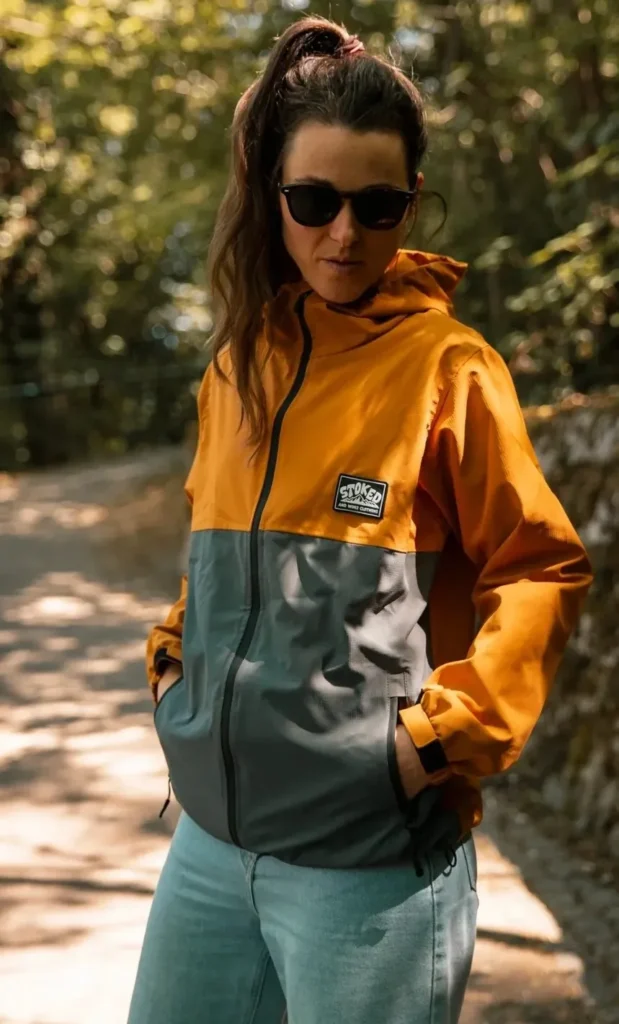
Not a light cardigan. Not a thin cotton blazer. A proper packable jacket — either a down puffer that compresses into its own pocket, or a technical softshell that blocks wind and light rain — that you can carry in your bag at all times without thinking about it.
At the summit of Mount Pilatus above Lucerne the temperature can be 12 degrees while it is 28 in the city below. On the Jungfraujoch it will be genuinely cold regardless of what the valley forecast says. On a boat crossing Lake Geneva the wind comes off the water in a way that makes a July evening feel like October.
The jacket is not optional. It is the foundation of everything else.
Choose one in a neutral — black, navy, stone, olive — that works over anything. Wear it as a travel layer on transit days. Pack it into your day bag every morning without exception.
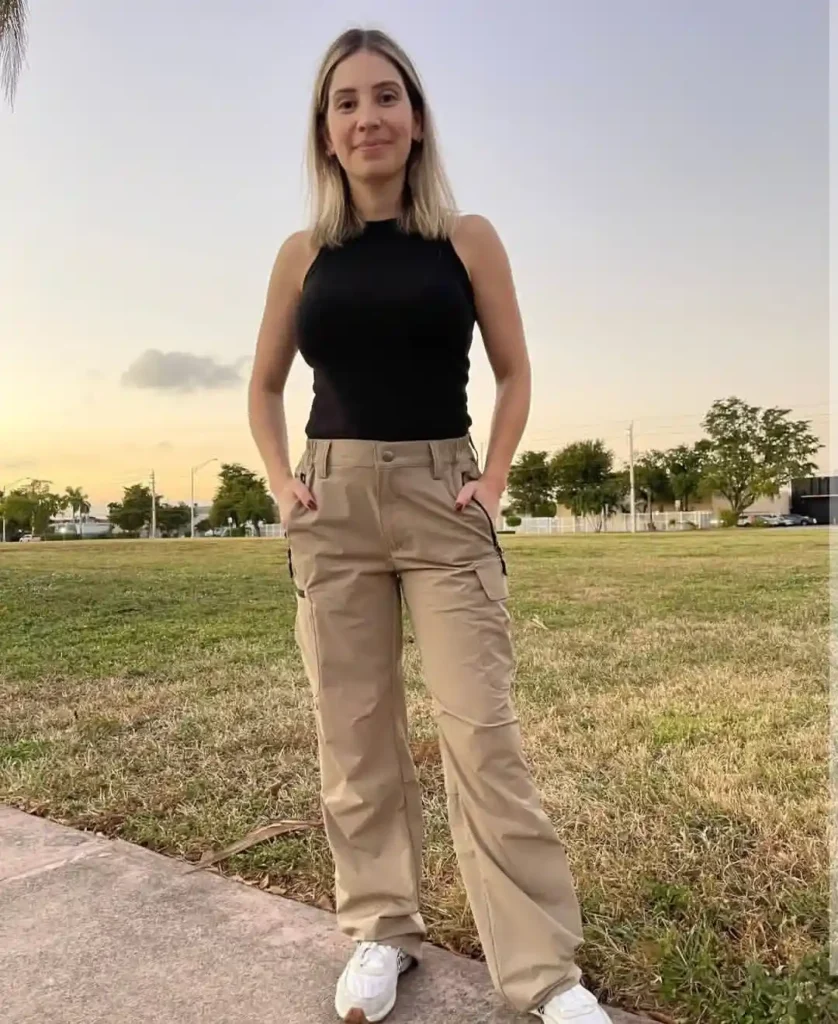
Versatile Trousers That Walk Far and Look Good
The cobblestone streets of Bern’s old town, the mountain trails above Grindelwald, the evening restaurant in Geneva’s Vieille Ville — you need trousers that handle all three without changing.
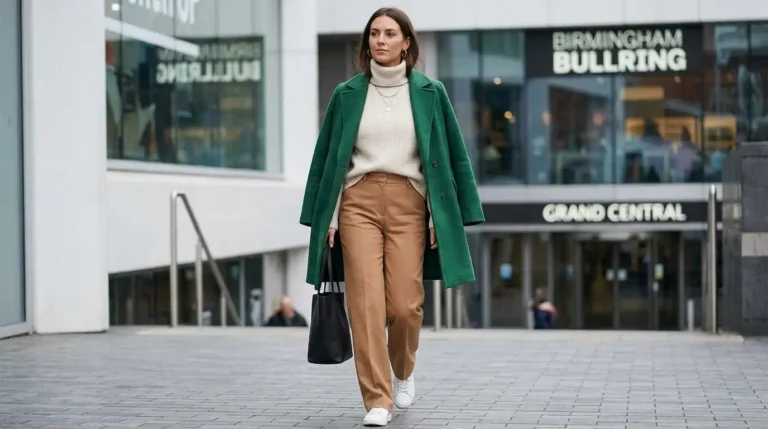
The best options for Switzerland summer are wide-leg linen trousers in neutral tones, straight-leg chinos in stone or olive, and high-quality hiking trousers that read as casual rather than technical.
Avoid anything that is purely gym or purely office. Switzerland in summer rewards clothes that sit in the middle — that look intentional on a terrace but perform on a trail.
Bring two pairs maximum. They wash easily, dry overnight, and take up less room than you think.
Comfortable Walking Shoes That Earn Their Space in the Suitcase
This deserves more attention than most packing guides give it.
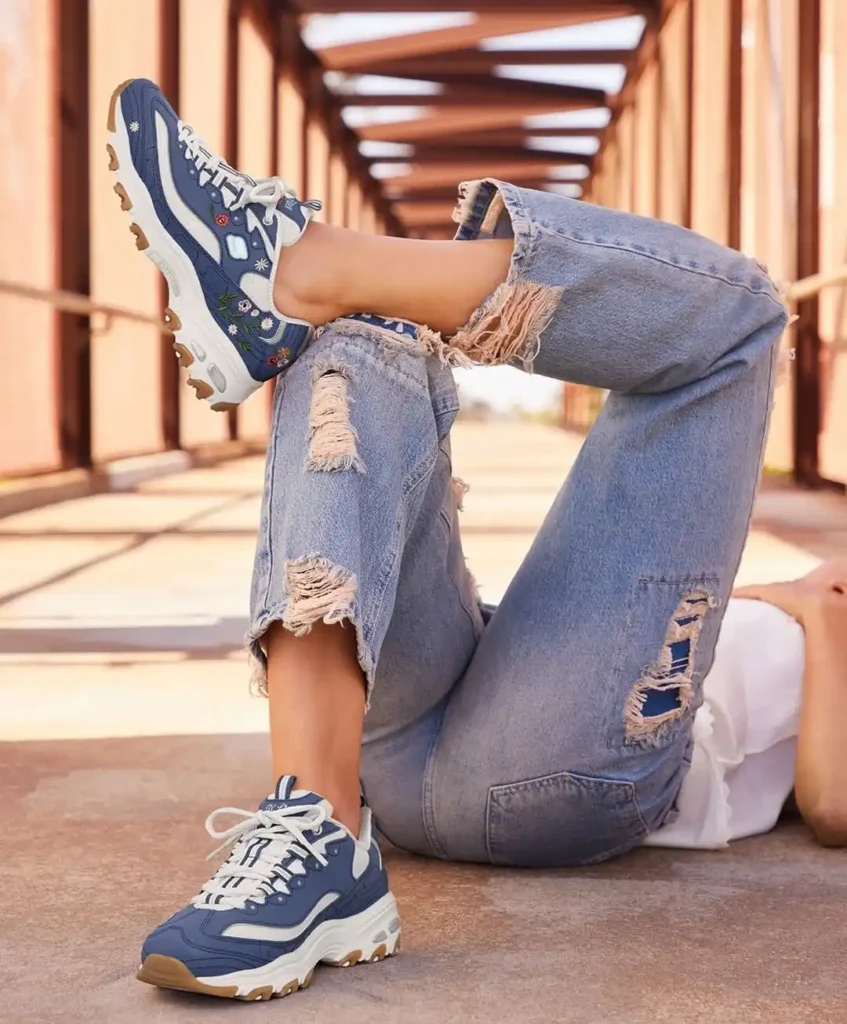
Switzerland is a country you walk. You walk the old towns. You walk the mountain trails. You walk the lakefront promenades. You walk between train stations with a bag on your back.
The wrong shoes destroy a trip faster than bad weather.
For summer in Switzerland the ideal combination is two pairs: a genuinely supportive walking sneaker in a clean neutral colourway that passes as casual-smart in a city context, and a proper lightweight hiking boot or trail shoe for mountain days.
Both need to be broken in before you leave. New shoes on Swiss cobblestones or mountain trails is a serious mistake.
Ballet flats and sandals have a limited role here. They work for a slow evening in a lakeside town. They do not work for anything else Switzerland will ask you to do.
Lightweight Knitwear — The Layer That Saves Everything
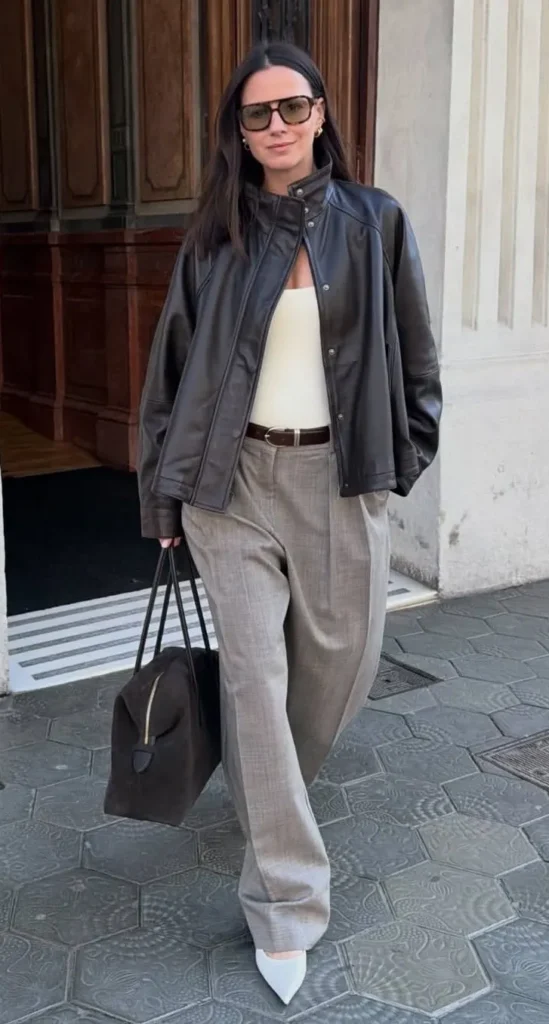
Between the jacket and the t-shirt there is a layer that Swiss summer demands more than almost anywhere else in Europe.
A fine-knit lightweight sweater — merino wool if you can find it, which regulates temperature better than almost any other fabric — bridges the gap between the warmth of a city afternoon and the chill of a mountain evening.
It layers under the jacket on cold summit days. It replaces the jacket on warm evenings when the temperature drops just enough to make bare arms uncomfortable. It looks put-together with trousers and clean shoes in a way that a fleece or hoodie simply does not.
Bring one in a neutral base — cream, grey, navy — and one in a colour if you want personality. That is all you need.

Tops That Work in Multiple Contexts
The tops you bring to Switzerland in summer need to do more work than the tops you bring anywhere else.
Simple, well-cut t-shirts in natural fabrics — cotton or linen — are the foundation. Bring four or five in neutral tones with one or two in colours you like. They wash easily, dry overnight, layer under everything, and look clean in a city context without trying too hard.
Add one slightly elevated top — a silk-blend button-down, a clean linen blouse, a good quality tank in a flattering cut — for evenings in cities when you want to look like you made an effort without carrying a separate dinner wardrobe.
Avoid cotton that clings when damp. Avoid anything with complicated structure that does not survive folding. Switzerland is not the place for the blouse that needs ironing.
A Day Bag That Works as Hard as You Do
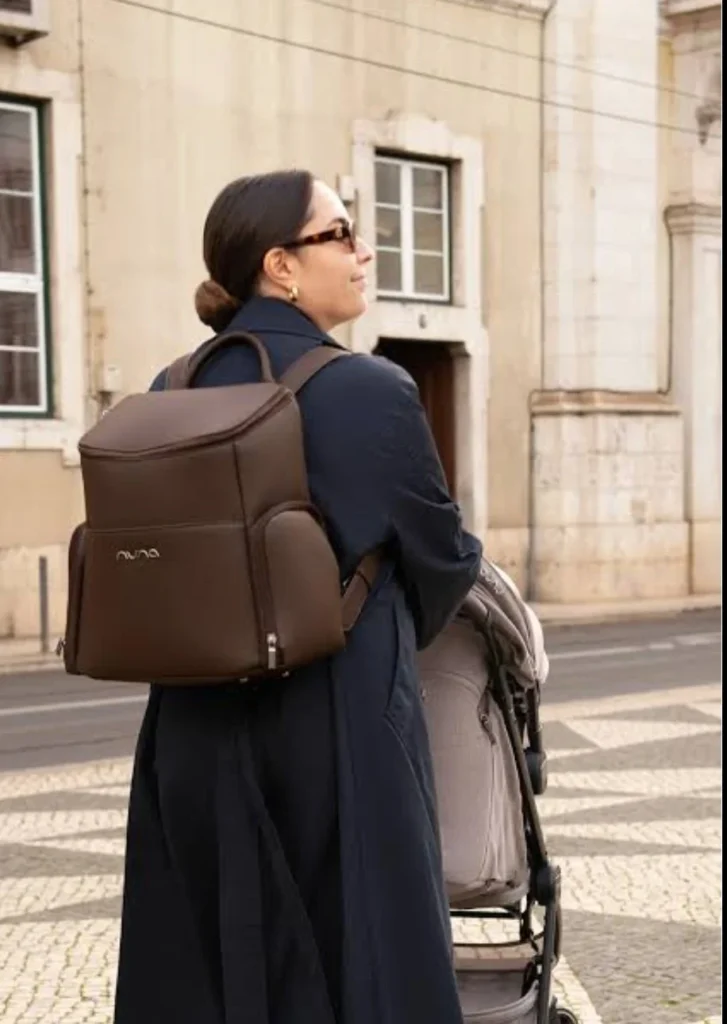
The bag you carry through Switzerland in summer is doing significant work.
It needs to hold the jacket you will definitely need later. The water bottle, because Swiss tap water is extraordinary and you should refill everywhere. Sunscreen for the high-altitude UV intensity that sunburns faster than the beach at sea level. Snacks for mountain days when the only food option costs forty francs.
A structured backpack in a quality neutral fabric — canvas, technical nylon, leather-trimmed canvas — that looks intentional rather than functional is the ideal Swiss summer bag. It sits comfortably on mountain trails. It does not look out of place at a good restaurant if you carry it correctly.
Crossbody bags and totes work for city days when you are not planning altitude. They do not work for mountain days at all.
What to Wear for Specific Experiences
City Days in Zurich, Geneva, or Bern
The Swiss cities in summer are warm, stylish, and walkable.
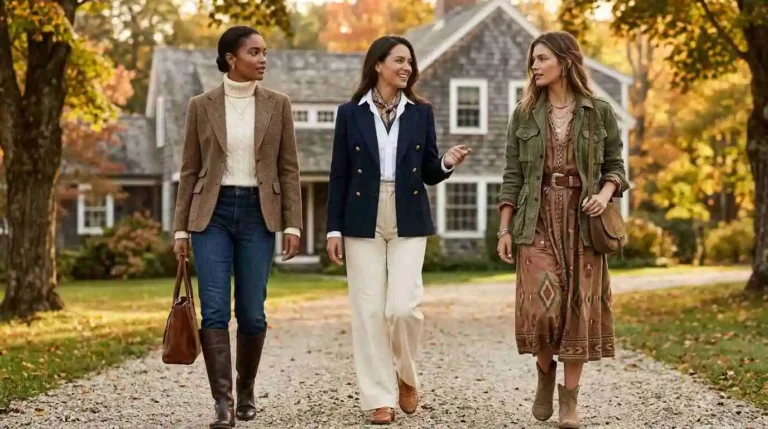
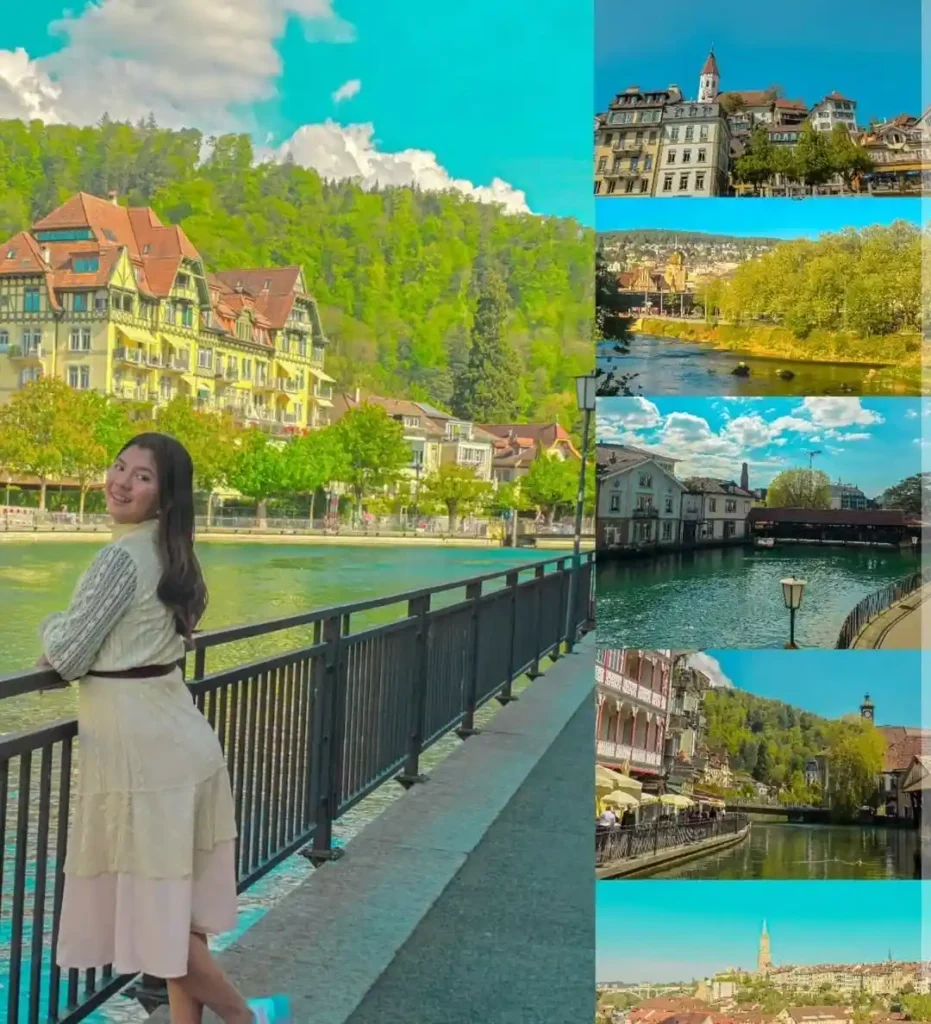
A clean linen or cotton outfit — trousers and a well-cut top, or a midi dress if you prefer — with comfortable walking sneakers and a light cardigan or knitwear layer is exactly right for a city day.
The dress option works beautifully in cities. Midi lengths in lightweight fabrics are practical on cobblestones and flattering everywhere. Bring one or two that work as your urban summer outfit.
Add sunglasses. The summer light on the water at Lake Zurich or Lake Geneva is intense. A good pair of sunglasses is not a luxury here — it is a daily necessity.
Mountain Days at Altitude
Any day that involves a cable car, cogwheel railway, or serious trail is a layering day without negotiation.
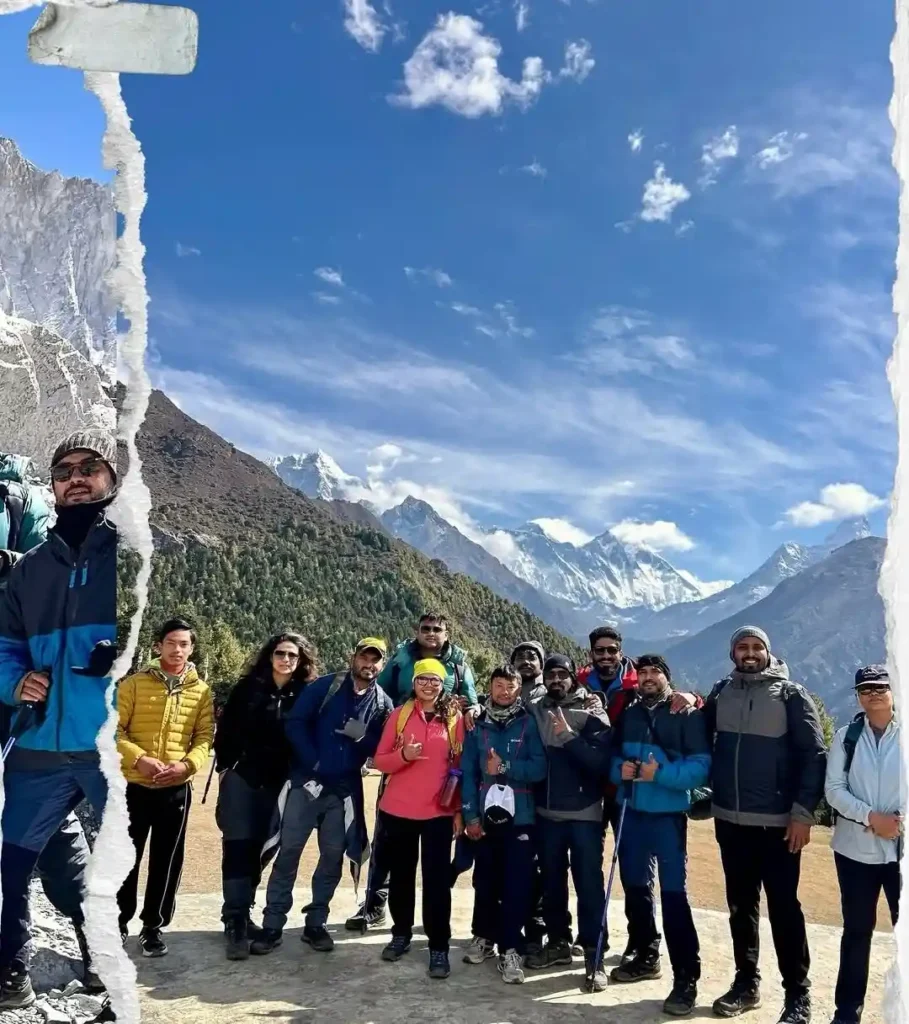
Start with a moisture-wicking base layer — a technical t-shirt or merino wool top that manages sweat on the uphill sections. Add the lightweight knitwear. Add the packable jacket on top. Wear or carry the hiking boots.
At the summit — Jungfraujoch, Gornergrat, Pilatus, Rigi — the temperature will be significantly colder than anything the city forecast suggested. The jacket will not feel like overkill. It will feel necessary.
Wear sunscreen at altitude. The UV index above 2000 metres in summer is considerably higher than at sea level. Burn faster, get less warning, regret it more. Apply carefully and reapply on long days.
Lake Days and Boat Trips
Switzerland’s lakes in summer are genuinely warm and genuinely beautiful. Swimming in Lake Zurich, Lake Geneva, or Lake Brienz is one of the great summer experiences in Europe.
A swimsuit is worth packing specifically for this. Bring one good one and a quick-dry travel towel.
The boat trips — Lake Lucerne, Lake Brienz, Lake Geneva — involve wind. Even on warm days, the wind off the water on the upper deck of a paddle steamer requires the knitwear or jacket layer. The view is worth it. The wind is not worth underestimating.
Slip-on shoes that can get wet work beautifully for lake days. They pack flat, dry fast, and handle the transition between swimming spots and café stops.

Evening Dining and Town Exploration
Switzerland is not aggressively formal in the way that some European cities are. You do not need to dress for dinner in the way Paris sometimes demands.
But the Swiss do dress well. A clean, put-together evening outfit — good trousers or a midi dress, a nice top, the lightweight knitwear in a colour you love, clean shoes — is both appropriate and respectful of the standard the cities set.
The hiking trousers stay in the bag on evening days. So do the technical shoes. The mountain gear is for the mountains.
The Complete Switzerland Summer Packing List for Women
Outerwear One packable down or softshell jacket in a neutral. One lightweight knitwear layer. One rain-resistant layer if you are visiting in June when afternoon showers are more common.
Bottoms Two pairs of versatile trousers — one linen or light fabric, one slightly more structured. One pair of hiking trousers if your itinerary includes serious trails.
Tops Four or five simple t-shirts in natural fabrics. One elevated top for evening contexts. One or two base layers for mountain days.
Dresses One or two midi dresses in lightweight fabrics for city days and relaxed evenings. Optional but highly recommended.
Shoes One supportive walking sneaker in a clean colourway. One lightweight hiking boot or trail shoe for mountain days. One pair of slip-ons for lake days and casual evenings.
Accessories Good sunglasses. A packable sun hat for high-altitude days. A lightweight scarf that doubles as a layer. A quality day backpack.
Swimwear One swimsuit. One quick-dry travel towel.
Practical Tips for Dressing in Switzerland
The weather changes quickly at altitude. A clear morning at a mountain village can become a cold, wet afternoon in under two hours. Always carry the jacket. Never leave it in the hotel room because it looked sunny at breakfast.
UV intensity increases significantly above 1500 metres. Sunscreen is mandatory, not optional, on any mountain day.
Merino wool is your best friend. It regulates temperature across a wider range than any synthetic fabric, resists odour better than cotton, and looks put-together in a way that technical fabrics do not. A good merino t-shirt and a fine-knit merino sweater will earn their weight many times over.
Swiss cobblestones are unforgiving. Any shoe with a heel — block heels, wedges, slight kitten heels — becomes exhausting and unstable within hours. Save the heels for dinner on a flat terrace. Walk the cities in flat, well-cushioned shoes.
Pack light enough to carry your bag comfortably. Swiss train stations involve stairs, escalators, and distances that make heavy luggage a genuine problem. A bag you can manage independently on the Bernina Express or the Jungfrau railway is a bag that improves your entire trip.
The Best Colours and Fabrics for Switzerland Summer
Neutral foundations — cream, stone, olive, navy, black, warm grey — are the backbone of a Swiss summer wardrobe. They photograph beautifully against mountain backdrops. They layer together without clashing. They look intentional in cities and relaxed in villages.
Add colour in your knitwear and one or two tops. Rust, terracotta, sage green, and dusty blue work beautifully against Swiss landscapes. Avoid anything too bright or too structured for the outdoor context.
Fabrics: linen for warm city days. Merino wool for mountain layers. Technical moisture-wicking fabrics for active days. Cotton for casual base layers. Avoid silk on anything that will see a mountain trail or a lake.
Final Thoughts
The women who are most comfortable and most stylish in Switzerland in summer are the ones who pack with the full range of the country in mind.
Not just the cities. Not just the mountains. The whole thing — the boat trips and the summit views and the lakeside swims and the old town evenings and the early morning hikes and the long train journeys between all of it.
Switzerland asks a lot of your wardrobe in summer. It rewards you with some of the most extraordinary scenery and experiences available anywhere in the world.
Pack the jacket. Break in the shoes. Bring the knitwear.
You are going to want to be comfortable for all of it.
Go prepared. Travel light enough to move freely. Switzerland is best experienced without the weight of the wrong wardrobe slowing you down.