Ancient Egypt Clothing for Women: Easy and Simple Guide

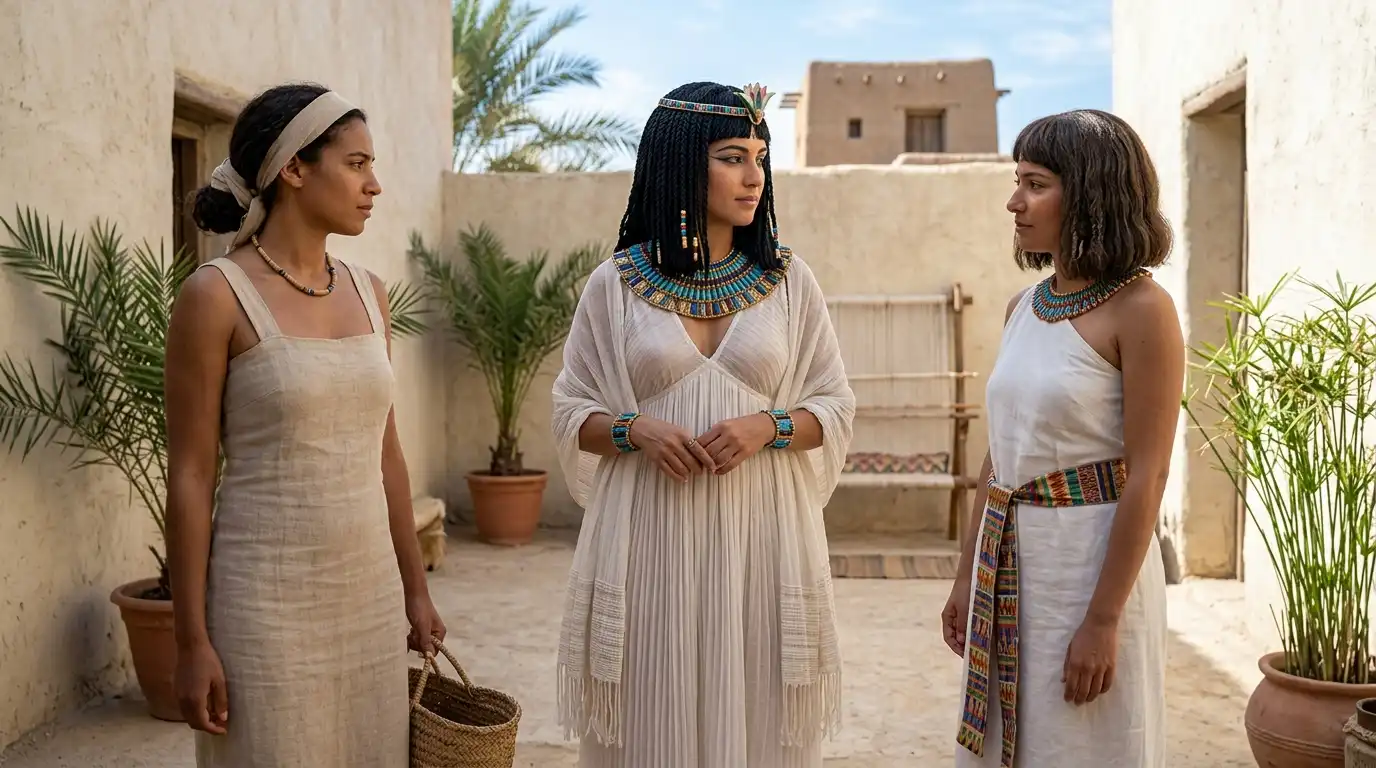
Ancient Egypt is famous for its pyramids, pharaohs, and rich history, but the clothing worn by women during this time is just as interesting. Egyptian clothing was designed for the hot desert climate, so most outfits were light, simple, and made from natural materials. Even though the styles were simple, women in ancient Egypt still found ways to look elegant through jewelry, hairstyles, and small details.
Below is a simple and easy guide to ancient Egyptian clothing for women, explained in plain and easy words.
1. The Simple Linen Sheath Dress
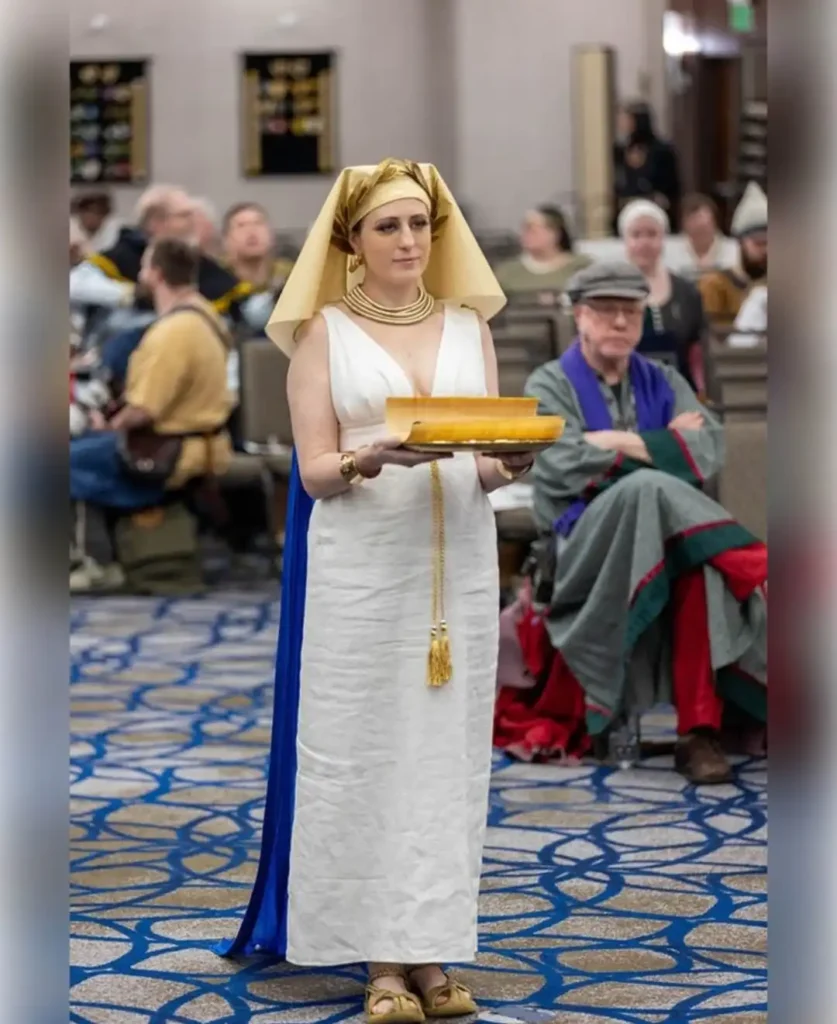
The most common piece of clothing worn by women in ancient Egypt was a simple, straight dress called a sheath dress. This dress was usually made from linen, a light fabric made from the flax plant that grew well along the Nile River. The dress typically started just above or at the chest and reached down to the ankles, held up by one or two straps over the shoulders. Because Egypt has a hot climate, linen was chosen for its light and breathable qualities, helping women stay cool throughout the day. Wealthier women often wore finer, more tightly woven linen, while poorer women wore rougher, thicker versions of the same basic style. This dress was worn by women of almost every social class, making it one of the most important clothing items in ancient Egyptian daily life.
Read more about:
Florence Summer Outfits: 13 Perfect Looks for the Most Beautiful City in Italy
2. The Kalasiris Robe
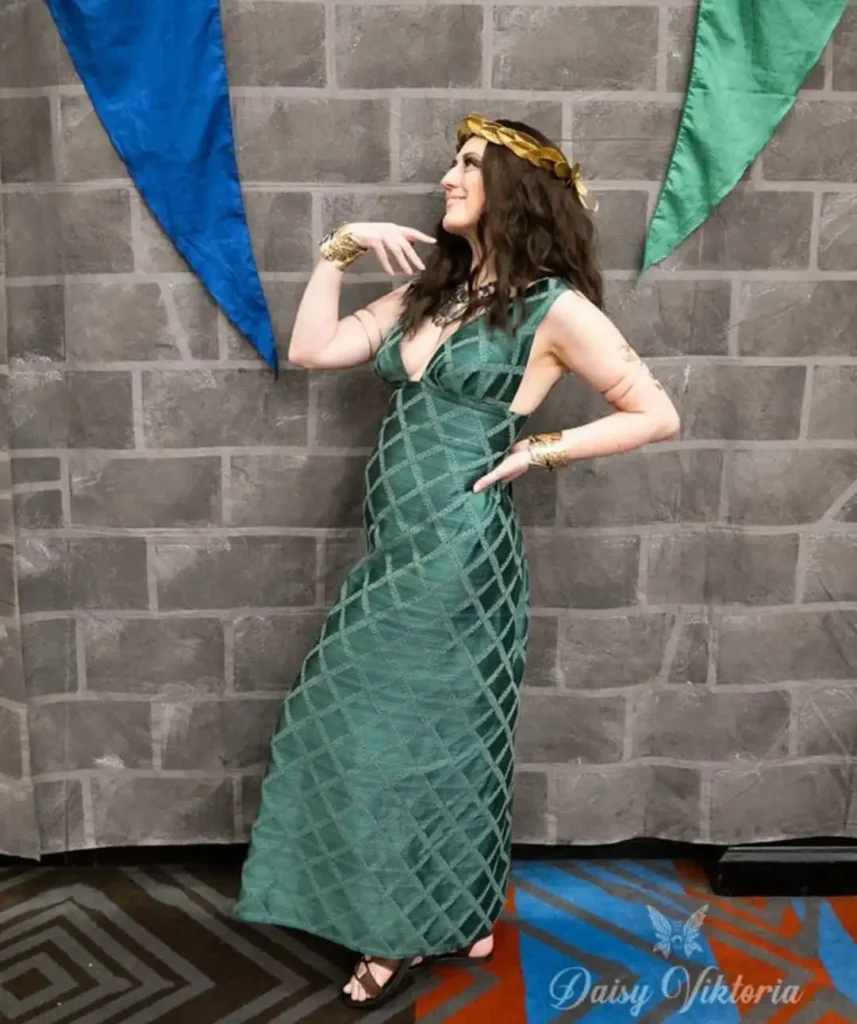
The kalasiris was a longer, more flowing robe-like garment that became popular later in ancient Egyptian history, especially during the New Kingdom period. Unlike the simple sheath dress, the kalasiris often had wider sleeves and a looser fit, giving women more room to move. This style became especially popular among wealthier women and those in higher social positions. The fabric was still usually linen, but it was often finer and sometimes decorated with small pleats or folds. Pleating linen was a skilled process that added texture and a slightly formal appearance to the garment. The kalasiris shows how Egyptian fashion slowly changed over thousands of years, moving from very simple designs toward slightly more detailed and decorative styles as trade and wealth increased.
Read more about: Reading Festival Outfits: 15 Looks That Are Perfect for the UK’s Biggest Music Weekend
3. Pleated Linen for Special Occasions
Pleating was a special technique used to create small, neat folds in linen fabric, and it became a popular feature in Egyptian clothing, especially for important occasions. Creating pleats required skill and time, since the folds had to be pressed carefully into the fabric to hold their shape. Because of this extra effort, pleated garments were often worn by wealthier women or during special events like religious ceremonies and important gatherings. The pleats added a slightly more elegant and formal look to an otherwise simple linen dress. This technique shows that even though ancient Egyptian clothing was generally simple in shape, small design details like pleating allowed people to express status and style within those simple forms.

4. Wide Jeweled Collars
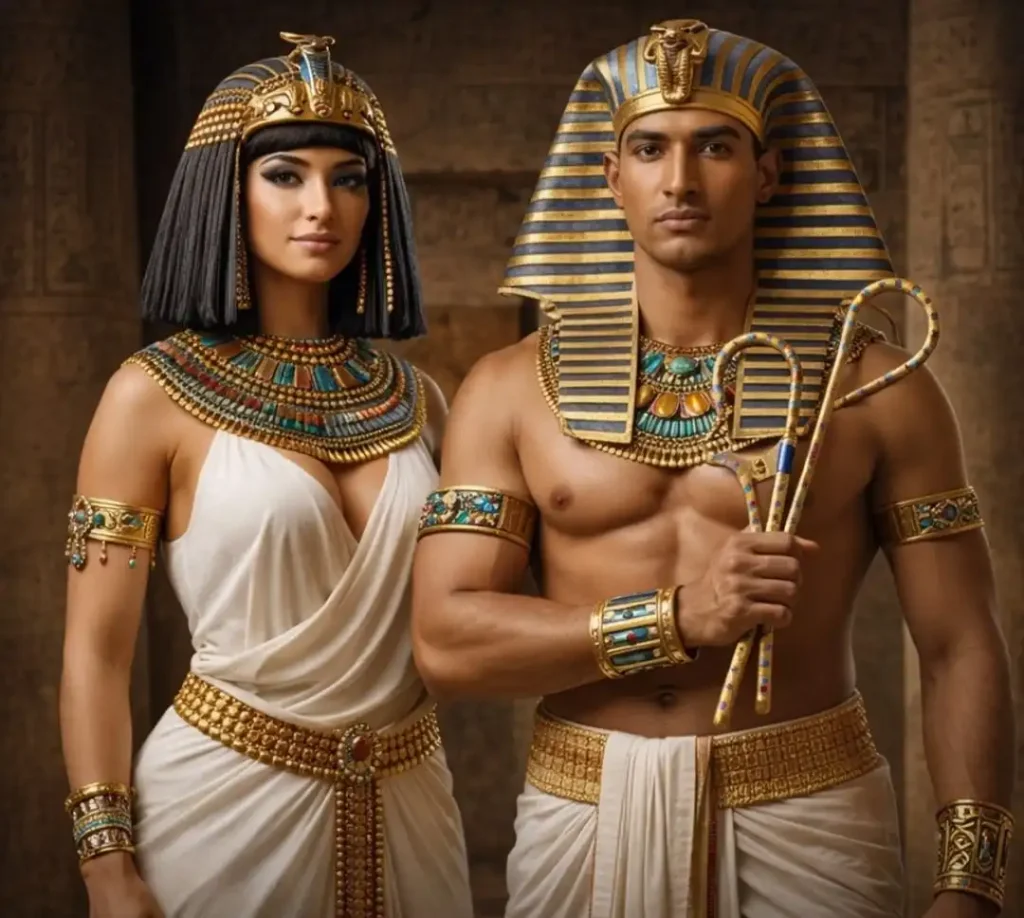
One of the most recognizable parts of ancient Egyptian clothing wasn’t the dress itself, but the jewelry worn with it, especially the wide collar necklace known as a “wesekh.” This collar wrapped around the neck and shoulders, often made from rows of colorful beads, gold, or semi-precious stones. Women of higher social status wore more elaborate versions of these collars, sometimes decorated with symbols related to protection or religious beliefs. Even women from lower social classes often wore simpler versions made from clay beads or shells. These wide collars added color and decoration to the plain linen dresses underneath, making them one of the most important style elements in ancient Egyptian fashion, regardless of a woman’s social class.
5. Elaborate Wigs
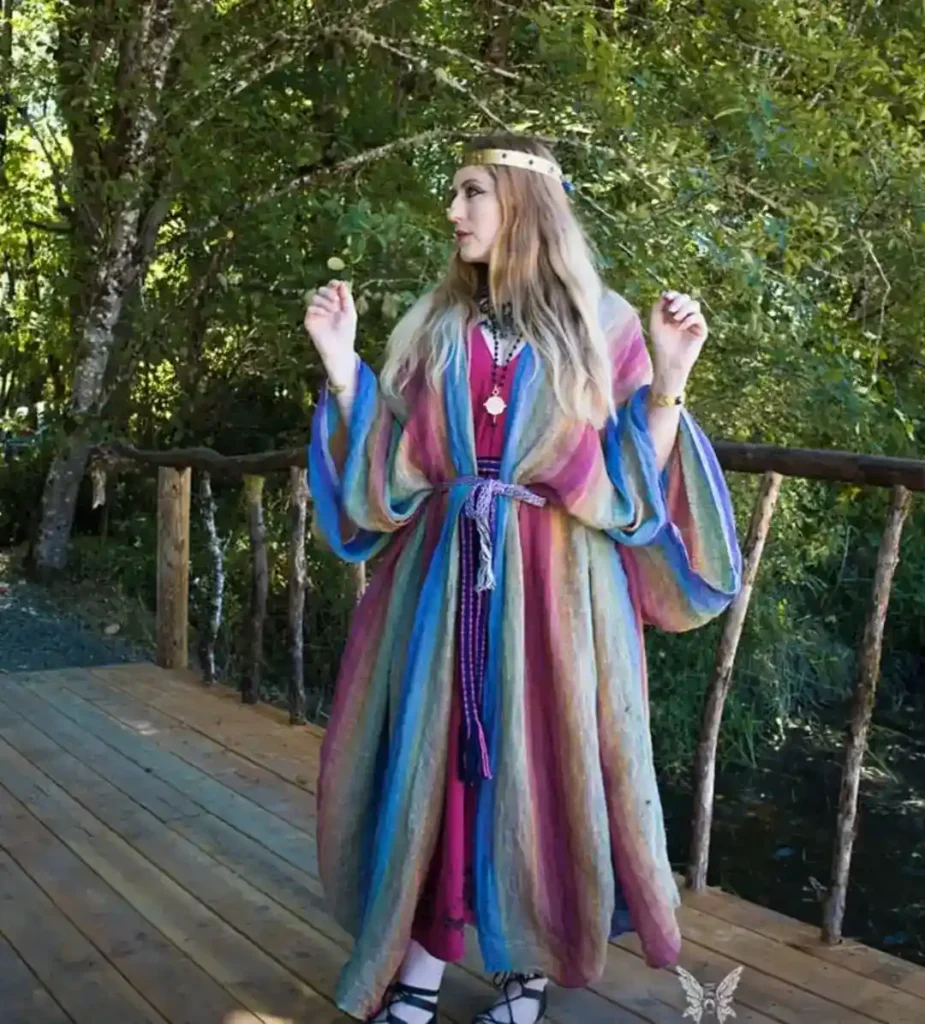
Hair played an important role in ancient Egyptian fashion, and many women wore wigs instead of styling their natural hair. Wigs were often made from human hair, plant fibers, or wool, and they came in many different styles, from short and simple to long and heavily braided. Wearing a wig was practical in the hot climate, since it was easier to keep a wig clean than to manage natural hair every day. Wealthier women owned more elaborate wigs, sometimes decorated with beads or small ornaments woven into the braids. Wigs were worn by women across different social classes, though the quality and decoration of the wig often reflected a person’s wealth and status within Egyptian society.
6. Headbands and Diadems
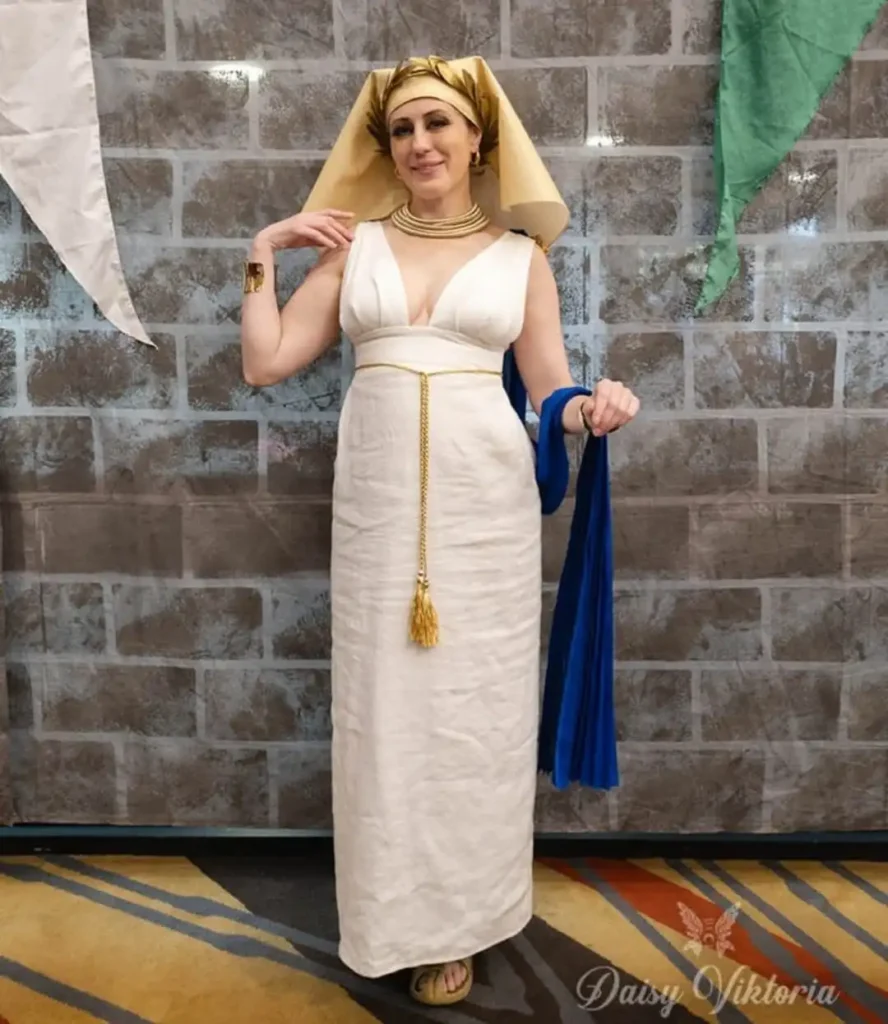
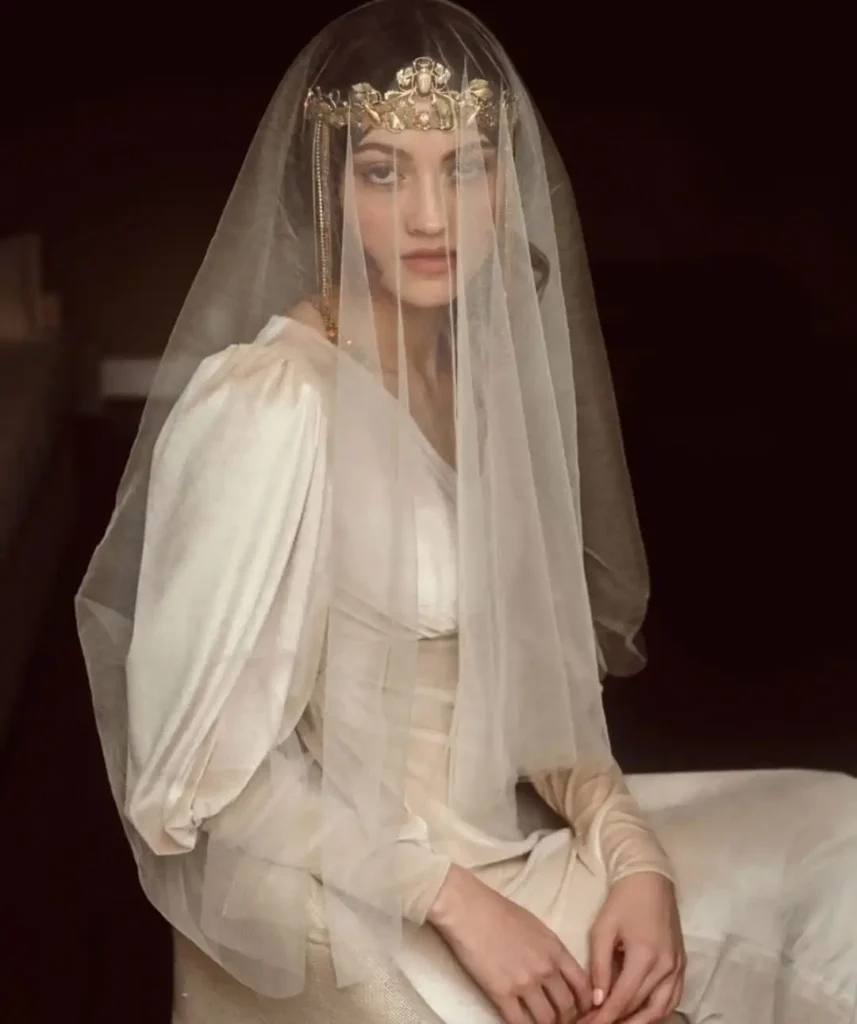
In addition to wigs, many Egyptian women wore decorative headbands or diadems, which were thin bands worn across the forehead. These headbands were sometimes made from simple cloth or leather, while wealthier women wore versions decorated with gold, beads, or small carved symbols. Headbands helped keep hair or wigs in place while also adding a decorative touch to an outfit. Some headbands included symbols related to protection or religious beliefs, similar to other jewelry worn during this time. These accessories were often worn during formal occasions or special events, adding an extra layer of style to a woman’s overall appearance without changing the simple shape of her main clothing.
Read more about: Europe Packing List Summer: Easy and Simple Guide
7. Sandals Made from Natural Materials
Footwear in ancient Egypt was often simple and practical, especially for everyday wear. Many women wore sandals made from woven reeds, palm leaves, or leather, tied around the foot with simple straps. These sandals were lightweight and breathable, which suited the hot desert climate well. Some women, especially those from poorer families, often went barefoot for much of the day, saving sandals for special occasions or trips outside the home. Wealthier women sometimes owned sandals decorated with small designs or made from finer leather. Despite the simple design, sandals played an important role in protecting feet from hot sand and rough surfaces while still remaining light and easy to wear.
8. Kohl Eyeliner and Makeup
While not technically clothing, makeup was a major part of how ancient Egyptian women presented themselves and is closely connected to their overall style. Kohl, a dark powder made from minerals, was commonly used to line the eyes, creating a bold, dramatic look that is still recognized today. Beyond style, kohl was also believed to help protect the eyes from the sun and reduce glare, making it both a practical and decorative choice. Women also used other natural pigments to add color to their cheeks and lips. Makeup was worn by women across different social classes, though wealthier women often had access to finer pigments and more elaborate application tools.

Read more about: Beach Festival Outfits: Easy and Breezy Style Ideas
9. Clothing Differences Based on Social Class
Clothing in ancient Egypt varied noticeably depending on a woman’s social class, even though many basic garment shapes stayed similar. Working-class women often wore simpler, shorter, and more practical versions of the sheath dress, since they needed clothing that allowed for movement during daily labor. Wealthier women and those connected to the royal court wore finer linen, more decorative jewelry, and more elaborate wigs and accessories. Priestesses and women involved in religious ceremonies sometimes wore special garments tied to their specific roles. This range shows that while ancient Egyptian fashion may look simple from a distance, small details in fabric quality, jewelry, and accessories revealed a great deal about a woman’s position in society.
10. Clothing for Religious and Ceremonial Roles
Women involved in religious ceremonies, such as priestesses, often wore specific clothing tied to their role in temple life. These garments were sometimes made from finer linen and paired with symbolic jewelry representing specific gods or goddesses. Certain colors and materials held religious meaning, and priestesses might wear particular headpieces or accessories during ceremonies that regular women would not wear in daily life. This type of clothing helped visually separate religious duties from everyday activities, showing the importance of visual symbols in ancient Egyptian culture. Ceremonial clothing often included more decoration and careful craftsmanship compared to simple daily wear, reflecting the seriousness and importance of religious events.
Read more about: Festival Outfit Ideas: Easy and Fun Looks for Everyone
11. Royal Clothing and Queens’ Garments
Queens and women of the royal family wore some of the most elaborate clothing in ancient Egypt, reflecting their high status and close connection to the pharaoh. Royal garments were often made from the finest linen available, sometimes decorated with gold thread or small ornaments sewn directly into the fabric. Queens also wore specific crowns or headpieces that identified their royal position, separate from the jewelry worn by other wealthy women. These garments were designed not just for comfort, but also to visually communicate power and status to anyone who saw them. Royal clothing represents the highest level of craftsmanship and luxury within ancient Egyptian fashion, showing how far basic linen garments could be transformed through skill and resources.
12. Amulets and Protective Jewelry
Beyond decorative jewelry, many ancient Egyptian women wore amulets, which were small charms believed to offer protection or good fortune. These amulets were often shaped like symbols connected to specific gods, animals, or protective concepts within Egyptian religion. Women wore amulets as necklaces, bracelets, or even sewn into clothing, believing they provided spiritual protection throughout daily life. This practice shows how closely clothing and religious beliefs were connected in ancient Egyptian culture, since even small jewelry pieces carried deeper meaning beyond simple decoration. Amulets were worn by women across different social classes, though the materials used, such as gold versus simple clay, often depended on a family’s wealth.
Read more about: Music Festival Outfits for Women: Easy and Fun Style Ideas
13. Working-Class Practical Clothing
Women who worked in fields, homes, or markets often wore simpler and more practical clothing designed for movement and durability rather than decoration. These garments were typically shorter and made from rougher linen, since fine fabric was expensive and impractical for physical labor. Working women may have skipped elaborate wigs and jewelry during work hours, saving decorative items for special occasions or times of rest. This practical approach to clothing highlights how ancient Egyptian fashion adapted to different daily needs, rather than following a single fixed style for all women. Comfort and function were just as important as appearance for women managing households or working outdoors under the hot sun.
14. Seasonal and Climate Considerations
Even though Egypt generally has a hot climate, clothing choices could shift slightly depending on the season or specific daily activities. During the hottest parts of the year, women likely favored the lightest and most breathable linen available, sometimes choosing simpler designs with less fabric overall. During cooler evenings or in certain regions, a light shawl or wrap might be added for extra warmth. This adaptability shows that ancient Egyptian women, much like people today, adjusted their clothing based on practical needs rather than following rigid rules at all times. The core materials and shapes remained fairly consistent, but small adjustments helped women stay comfortable throughout changing conditions.
15. Changes in Style Over Time
Ancient Egyptian civilization lasted for thousands of years, and clothing styles naturally changed and evolved during this long period. Early styles, such as those from the Old Kingdom, tended to be very simple and close-fitting. Later periods, especially the New Kingdom, introduced more decorative elements, including pleating, wider sleeves, and more elaborate jewelry combinations. These changes were often influenced by trade with neighboring regions, shifts in wealth, and evolving cultural tastes over generations. Studying these changes helps historians understand not just fashion, but also broader shifts in Egyptian society, technology, and connections with other ancient cultures throughout different historical periods.
Read more about: London Concert Outfit Ideas: What to Actually Wear for Every Venue and Every Genre
Extra Facts Worth Knowing
Here are a few more simple facts about ancient Egyptian clothing for women:
- Linen was the main fabric used throughout most of ancient Egyptian history due to its light and breathable qualities.
- Color was often limited since dyeing linen was difficult, so many garments remained a natural white or cream shade.
- Jewelry showed status more clearly than the clothing shape itself, since basic dress designs stayed fairly similar across classes.
- Hair care was important, with wigs and oils commonly used to protect hair from the sun and heat.
- Symbols mattered deeply, appearing in jewelry, amulets, and accessories connected to religious beliefs.
Simple Tips for Understanding Ancient Egyptian Fashion
- Focus on fabric first. Linen was the foundation of almost all ancient Egyptian clothing.
- Look at the accessories. Jewelry, wigs, and headpieces often revealed more about status than the dress itself.
- Consider the climate. Most clothing choices were shaped by the need to stay cool in a hot environment.
- Notice the symbolism. Many clothing details connected to religious or protective beliefs.
- Remember the time span. Styles changed significantly across the thousands of years of ancient Egyptian history.
Final Thoughts
Ancient Egyptian clothing for women may look simple at first glance, but it reveals a rich and detailed culture built around comfort, symbolism, and social status. From basic linen sheath dresses to elaborate jewelry and wigs, every piece served both a practical and a meaningful purpose in daily life.
Understanding these clothing choices helps us see how ancient Egyptian women balanced comfort with style, using small details like pleating, color, and jewelry to express their identity within a hot, demanding climate. Even thousands of years later, these fashion choices continue to inspire artists, historians, and designers around the world.