Traganou Beach is a quiet and scenic beach on the east coast of Rhodes Island, Greece, close to the popular resort town of Faliraki. Unlike many busy sandy beaches in Rhodes, Traganou Beach has a more natural feel, clear water, and a relaxed atmosphere. It is a great choice for travelers who want to enjoy the sea without crowds, loud music, or heavy tourism.
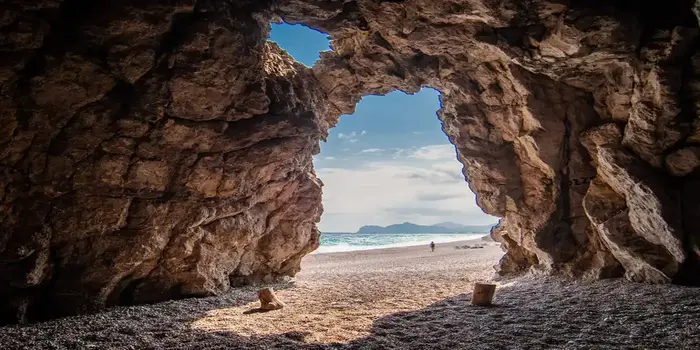
The beach is well known for its pebble shoreline, deep blue water, and small sea caves carved into the rocks. It attracts couples, solo travelers, and visitors who prefer calm places over party beaches.
Where Is Traganou Beach Located?
Traganou Beach is located just south of Faliraki on the east coast of Rhodes. It sits along the coastal road that connects Faliraki with Afandou, making it easy to reach by car.
From Rhodes Town, the drive takes around 25 minutes. If you are staying in Faliraki, Traganou Beach is only a short drive or taxi ride away. Many visitors stop here while exploring nearby beaches like Anthony Quinn Bay or Ladiko Beach.
Parking is available along the road near the beach, and access is straightforward.
Entry Fees & Timings
Location: Rhodes East Coast (5 min Faliraki, 25 min Rhodes Town)
Entry Fee Table (€):
| Access Type | Adult | Child | Includes |
|---|---|---|---|
| Public Beach | Free | Free | Pebble cove + sea caves |
| Sunbed Set | 12/day | 8/day | Beachfront loungers + service |
| Taverna Lounge | 20 | 15 | Shaded seating + drink credit |
Open 24/7 May-Oct. Peak: Jun/Sept golden hour.
Best Time: May-Jun mornings (empty beach/perfect snorkeling).
What Is Traganou Beach Like?
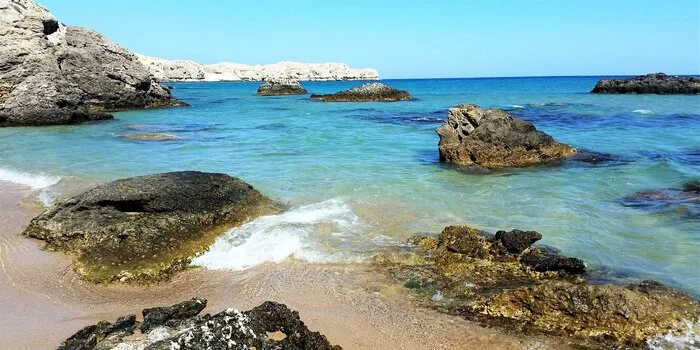
Traganou Beach is a pebble and rocky beach, not a sandy one. The pebbles are smooth, and the water becomes deep quite quickly. This is one of the reasons the sea here is so clear.
Behind the beach, you’ll see limestone cliffs and rocky formations that provide some natural shade. On the right side of the beach, small sea caves add character and make the landscape more interesting.
The beach feels open and spacious, even in summer. It is not completely undeveloped, but it is far less commercial than Faliraki Beach.
Swimming and Water Conditions
Swimming at Traganou Beach is excellent if you enjoy clean, refreshing water. The water clarity is very good, and you can often see the seabed clearly.
Because the beach is pebbly and the water gets deep quickly, it is better suited for confident swimmers. The sea is usually calm, but on windy days—especially when the Meltemi winds blow—the waves can be stronger.
There are no lifeguards on duty, so visitors should always swim carefully and check conditions before entering the water.
Snorkeling and Sea Caves
Traganou Beach is a nice spot for snorkeling, especially near the rocky areas and sea caves. You may see small fish and marine life close to the rocks.
The caves are shallow and close to shore, making them easy to explore by swimming or snorkeling. Underwater visibility is usually good, particularly in the morning when the sea is calmer.
If snorkeling is important to you, bring your own gear, as rentals are not always available.
Facilities and Amenities
Traganou Beach has basic facilities, but it is not a fully organized beach.
You will usually find:
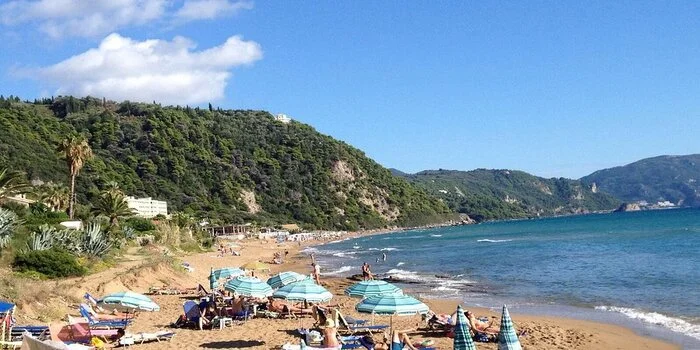
- Sunbeds and umbrellas for rent
- A small beach bar or nearby taverna
- Free roadside parking
There are limited showers, and public restrooms may not always be available. There is no lifeguard service, so safety is your own responsibility.
If you are looking for luxury facilities or beach clubs, Faliraki Beach is a better option. Traganou Beach is more about simplicity and nature.
Who Is Traganou Beach Best For?
Traganou Beach is ideal for:
- Couples looking for a quiet beach
- Travelers who enjoy natural scenery
- Snorkeling lovers
- Visitors avoiding crowded tourist beaches
It can be suitable for families with older children, but it is not ideal for very young kids due to pebbles, deeper water, and lack of lifeguards.
Some areas of the beach are known to be naturist-friendly, especially away from the main entrance. This is informal and generally respected by other visitors.
Best Time to Visit Traganou Beach
The best time to visit Traganou Beach is from May to June and September to October. During these months, the weather is warm, the sea is pleasant, and crowds are smaller.
July and August are the hottest months. The beach is still less crowded than Faliraki, but midday heat can be intense. Early mornings and late afternoons are the most comfortable times.
Sunset at Traganou Beach can be beautiful, with warm light reflecting off the rocks and sea.
Nearby Beaches and Attractions
Traganou Beach is close to several popular spots:
- Anthony Quinn Bay – famous for turquoise water and snorkeling
- Ladiko Beach – small, scenic, and sheltered
- Afandou Beach – long and quiet, great for walks
- Faliraki – restaurants, shops, and nightlife
This makes Traganou Beach a good stop during a day of beach hopping on the east coast of Rhodes.
Practical Tips Before You Go
- Wear water shoes for comfort on pebbles
- Bring snorkeling gear if you plan to explore underwater
- Avoid windy days if you prefer calm water
- Bring cash for sunbeds or small beach bars
- Respect naturist areas and personal space
Is Traganou Beach Worth Visiting?
Yes, especially if you enjoy peaceful beaches with clear water and natural scenery. Traganou Beach may not suit everyone, but for travelers who want a calm and authentic beach experience in Rhodes, it is definitely worth a visit.
FAQs About Traganou Beach
Is Traganou Beach sandy or pebbly?
Traganou Beach is a pebble and rocky beach, not sandy.
Is Traganou Beach free to enter?
Yes, the beach is free. You only pay if you rent sunbeds or umbrellas.
Is Traganou Beach crowded?
No, it is usually much quieter than Faliraki Beach, even in summer.
Is Traganou Beach good for snorkeling?
Yes, especially near the rocks and sea caves.
Is Traganou Beach family-friendly?
It is better for adults and older children. Young kids may find the pebbles and deep water difficult.
Are there facilities at Traganou Beach?
Basic facilities like sunbeds and a beach bar are available, but it is not fully developed.