Things to Do in Spain: The Ultimate Travel Guide to an Unforgettable Trip

There is a moment that happens to almost every person who visits Spain for the first time.
You are sitting somewhere — on a terrace in Seville with a glass of cold sherry, or watching the sun drop into the Mediterranean from a Barcelona rooftop, or standing in front of the Alhambra as the light turns it gold — and you realize that nothing you read or watched prepared you for how alive this country feels.
Spain does not just look beautiful. It feels beautiful.
The food is extraordinary. The people are warm. The cities have an energy that stays in you long after you leave. And the variety packed into one country — desert landscapes and green northern coasts, medieval villages and world-class modern architecture, flamenco and pintxos and Gaudí and Roman ruins — is genuinely staggering.
This guide covers all of it.
Read more about: Europe Capsule Wardrobe 2026: Pack 10 Items, Create 30 Outfits
Before You Go: What to Know About Spain
Spain is the second largest country in the European Union and one of the most diverse travel destinations on earth.
It has seventeen autonomous regions, each with its own character, cuisine, dialect, and identity. Catalonia feels different from Andalusia. The Basque Country feels different from both. Even within regions the differences between cities are striking.
The Spanish relationship with time is its own thing entirely. Lunch happens between two and four in the afternoon. Dinner rarely starts before nine at night. In the south it starts closer to ten. The siesta is real in smaller towns and rural areas. Plan around it rather than fighting it.
The train network is excellent for major cities. High-speed AVE trains connect Madrid, Barcelona, Seville, Valencia, and Málaga quickly and comfortably. For smaller towns and rural areas a rental car gives you access that trains and buses cannot.
Spain is one of the best value destinations in Western Europe. Outside the peak tourist areas food, wine, and accommodation are genuinely affordable. A glass of house wine with lunch often costs less than a coffee.
Go in spring or autumn if you can. April, May, September, and October offer warm weather, manageable crowds, and the best light for photographs. July and August in the south are extremely hot and very crowded. The north is cooler and greener year-round.
Read more about: Best Things to Do in Switzerland: The Complete Travel Guide
The Best Cities to Visit in Spain
Madrid
Spend a Morning in the Prado
The Museo del Prado is one of the greatest art museums in the world. Full stop.
Its collection of Spanish and European masterworks — Velázquez, Goya, El Greco, Titian, Rubens — is extraordinary in both quality and scale. Las Meninas by Velázquez alone justifies the entire visit. Goya’s Black Paintings in the ground floor rooms are among the most haunting images in Western art.
Book tickets in advance. Go in the morning when the rooms are quieter. Allow at least three hours. It deserves more.
The museum is free in the evenings from six o’clock. Go twice if you can.
Walk the Buen Retiro Park
The Retiro is Madrid’s great urban park and one of the finest in Europe.
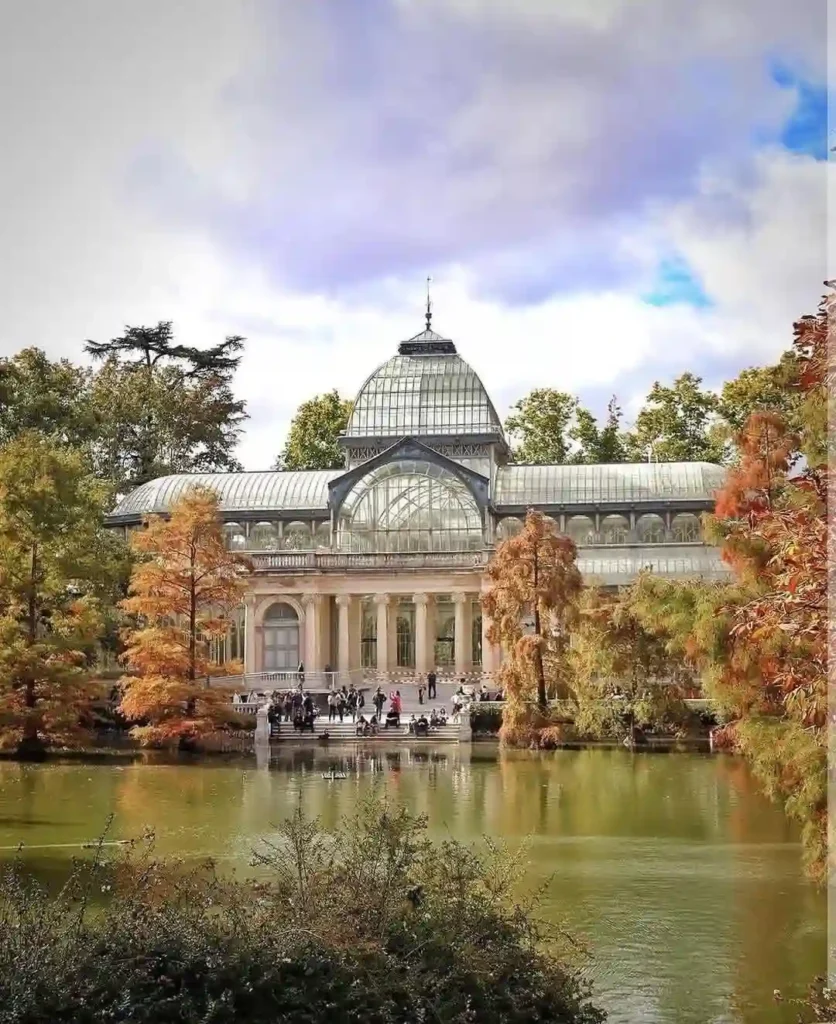
125 hectares of gardens, fountains, sculptures, and tree-lined paths in the heart of the city. The Palacio de Cristal — a glass and iron pavilion on the edge of the lake — is one of the most beautiful structures in Madrid.
Rent a rowing boat on the lake on Sunday morning. Watch the city walk past. Eat something from one of the stalls at the park entrance.
This is Madrid at its most relaxed and most human.
Eat Your Way Through the Mercado de San Miguel
The Mercado de San Miguel is a covered iron market a short walk from the Plaza Mayor filled with some of the finest food stalls in the city.
Jamón. Oysters. Croquetas. Anchovies. Cheese. Vermouth poured from the tap. Eat standing up the way Madrileños do. Move from stall to stall. Try everything.
This is not a tourist trap. It is how Madrid actually eats on a Saturday morning.
Experience a Madrid Evening
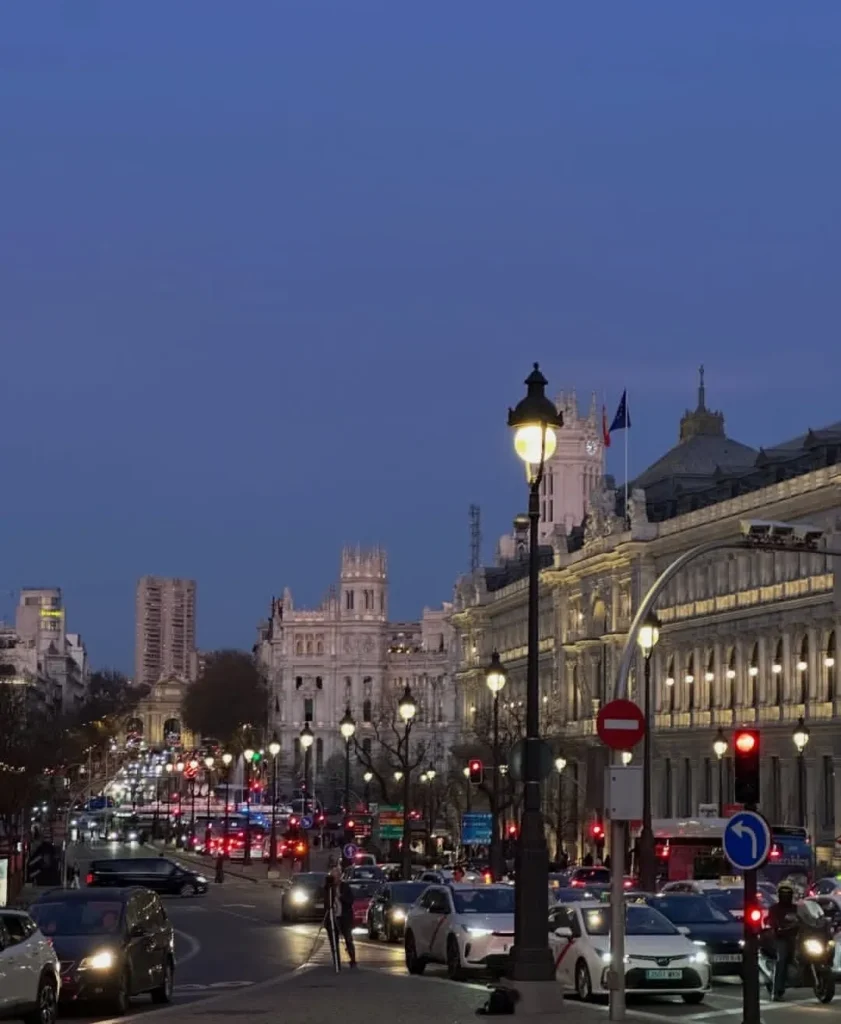
Madrid’s evenings begin later than anywhere else in Europe and end later too.
Aperitivo hour from seven to nine. Dinner at nine thirty or ten. Then the night, which in the Malasaña and Chueca neighborhoods does not reach its peak until well after midnight.
You do not have to stay until four in the morning. But walk through Malasaña at ten o’clock on a Friday night and you will understand why people love this city so completely.
Read more about: Paris Summer Outfit Ideas for Women: How to Dress Like You Actually Live There
Visit the Reina Sofía for Guernica
The Museo Reina Sofía houses Spain’s most important collection of modern art and one of the most significant paintings in the history of the twentieth century.
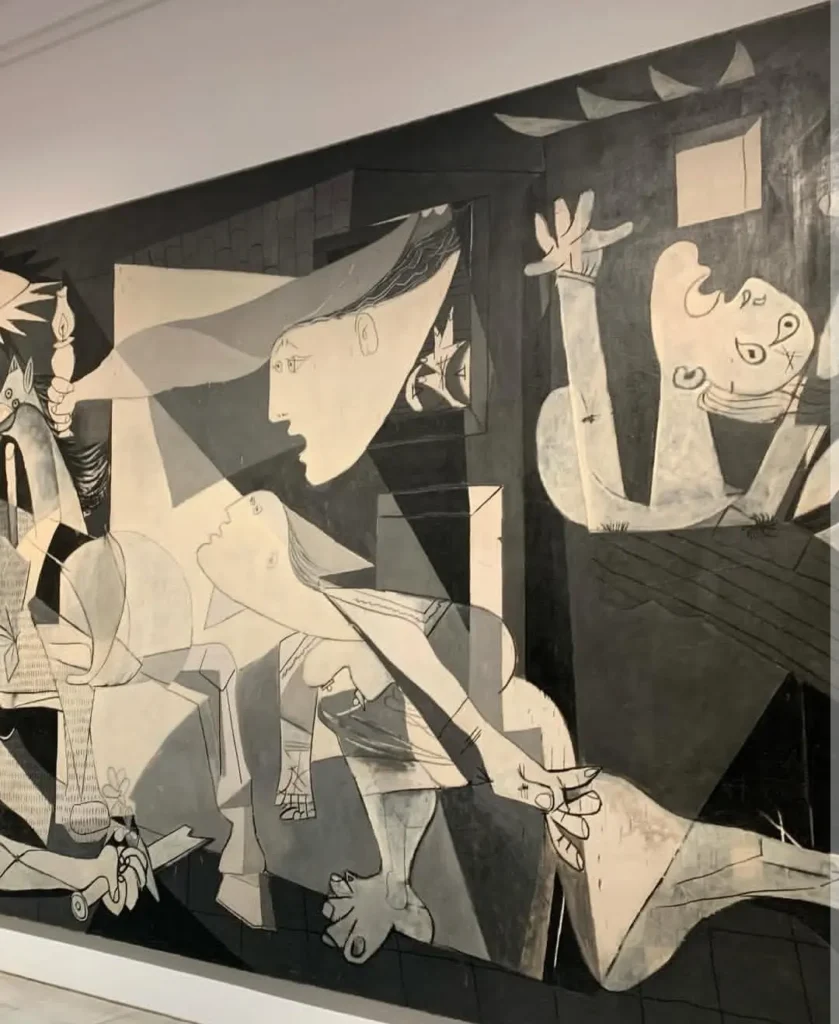
Picasso’s Guernica — painted in response to the 1937 bombing of the Basque town of the same name — fills an entire wall of Room 206. Standing in front of it is a different experience from seeing it reproduced in any book or screen. Its scale is part of its power.
The Reina Sofía also holds major works by Dalí, Miró, and Juan Gris. Allow two hours
minimum.
Barcelona
See the Sagrada Família
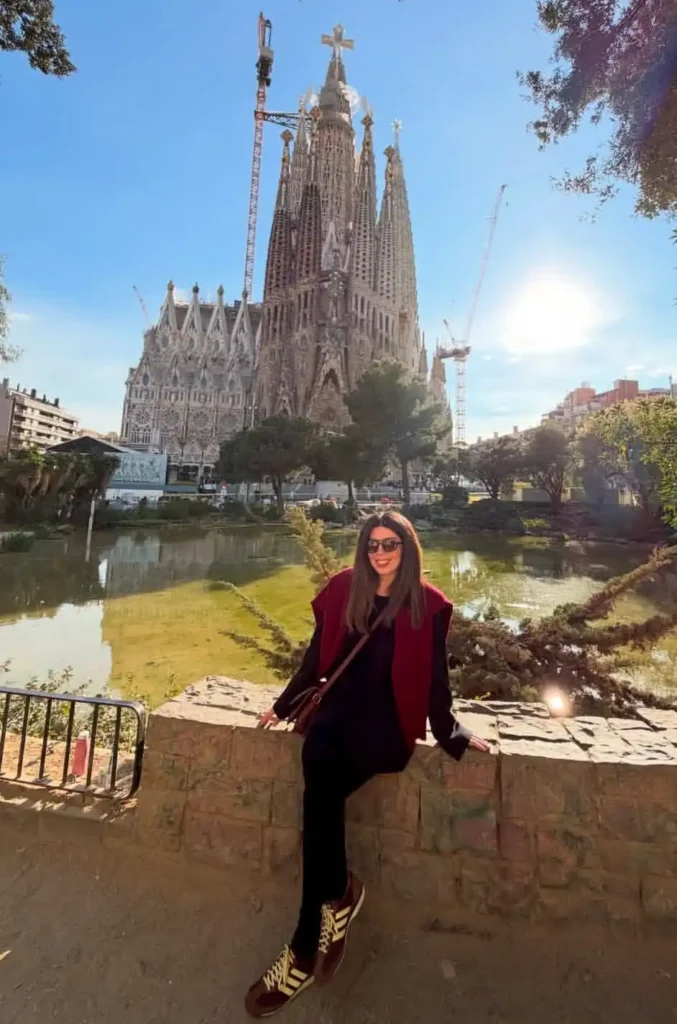
Antoni Gaudí’s unfinished basilica is the most visited monument in Spain and one of the most extraordinary buildings on earth.
Construction began in 1882 and continues today. The towers rise higher with every year. The interior — completed relatively recently — floods with colored light through stained glass windows that cover the walls in a way that feels less like a church and more like standing inside a living forest.
Book tickets months in advance in summer. Buy the tower access add-on. The view from the towers over the city and sea is extraordinary.
Go in the morning when the eastern facade catches the light directly.
Walk the Gothic Quarter
The Barri Gòtic is the medieval heart of Barcelona and one of the most atmospheric old towns in Europe.
Streets so narrow two people can barely pass each other. Roman walls incorporated into medieval buildings incorporated into modern apartments. Hidden squares that appear without warning from narrow passages. A cathedral that has been standing for seven centuries.
Walk without a map. Every wrong turn leads somewhere interesting.
Find the Plaça de Sant Felip Neri. It is one of the most beautiful small squares in Barcelona and most visitors never find it.
Spend an Afternoon at La Boqueria
La Boqueria on Las Ramblas is the most famous market in Spain and one of the most famous in the world.
The prepared food stalls at the front have become increasingly tourist-oriented. Go deeper into the market. Find the fruit and vegetable vendors, the seafood counters, the meat stalls, the cheese and charcuterie sections.
Eat a small plate of jamón standing at one of the counter bars in the back half of the market. Order a glass of cava with it. This is Barcelona at its most sensory and most generous.
See Park Güell
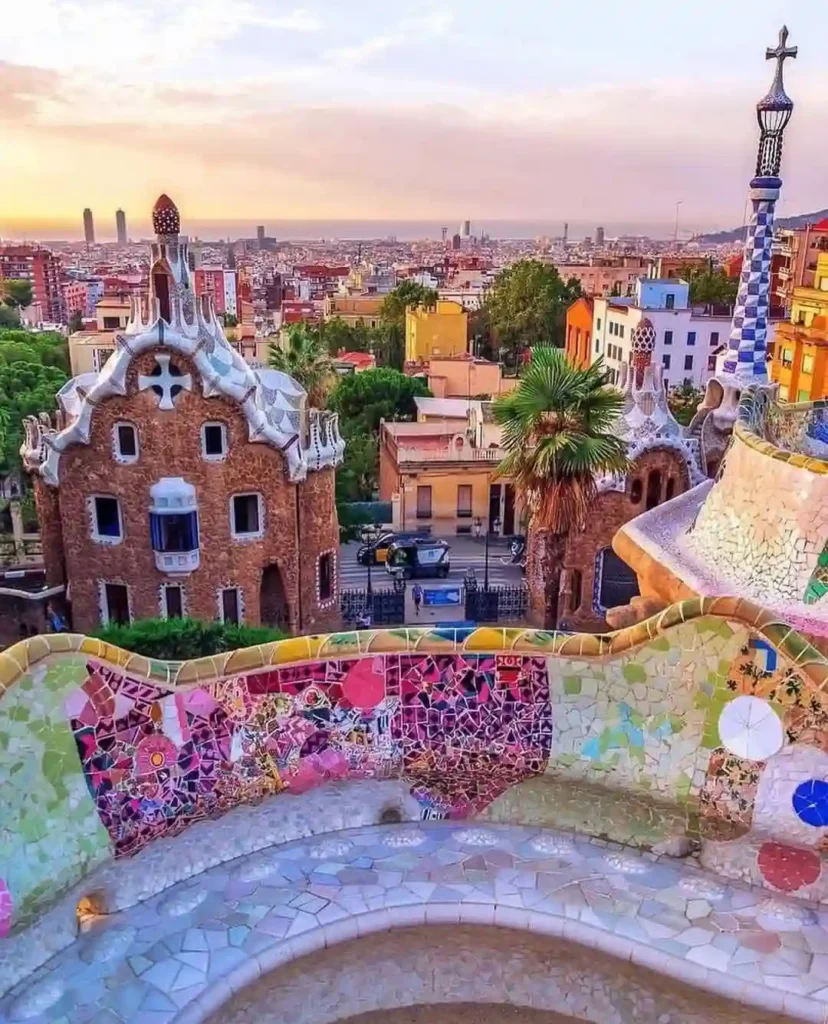
Gaudí’s hilltop park above the city is one of the most visually distinctive public spaces in the world.
The mosaic terrace, the gingerbread gatehouses, the forest of stone columns, the serpentine benches covered in broken tile — all of it designed by a man who seemed to be making his own rules about what architecture could be.
Book the monumental zone tickets in advance. Arrive early. The view from the terrace across the city to the sea on a clear morning is one of the finest in Spain.
Read more about: Outfit Ideas for Concert: The Most Stylish Looks for Every Kind of Show
Eat in the Eixample
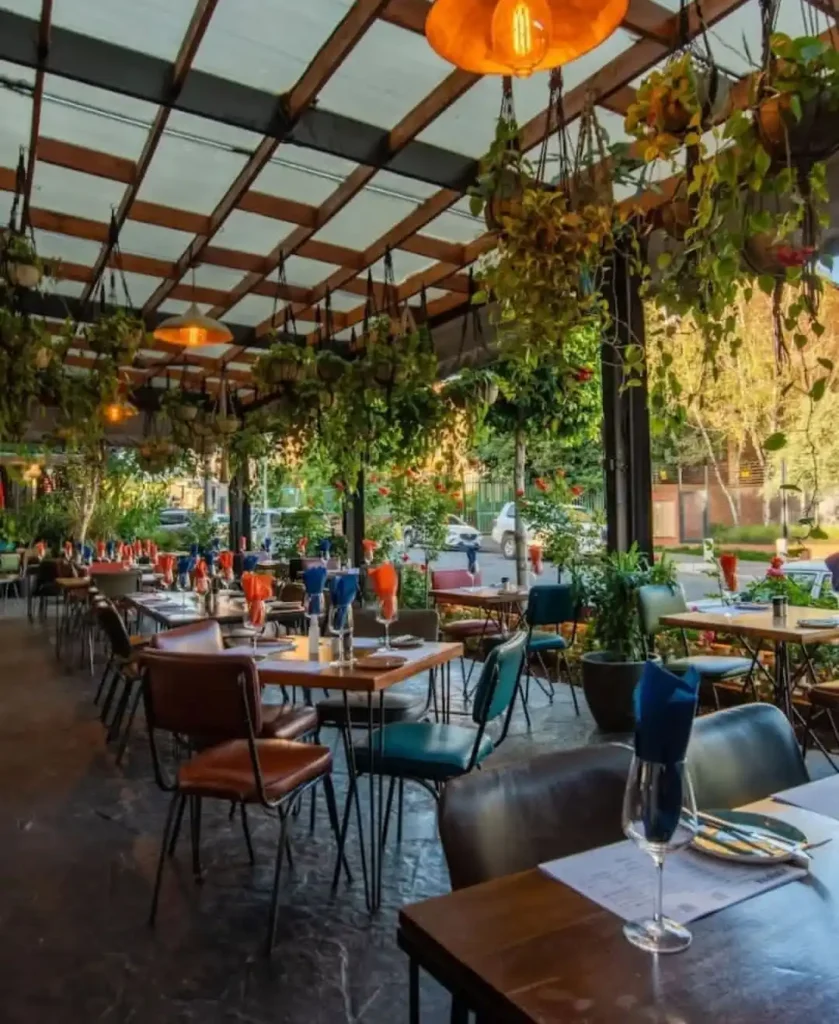
The Eixample is Barcelona’s nineteenth century grid district and home to some of the finest restaurants in the city.
The area around Carrer del Consell de Cent and Carrer de Muntaner is dense with excellent restaurants, vermouth bars, and small wine shops. Choose something with no photographs on the menu and a chalkboard specials board. Eat the local fish. Order the house wine.
Barcelona’s restaurant culture rewards wandering and trusting your instincts more than following any recommendation.
Seville
Watch Flamenco
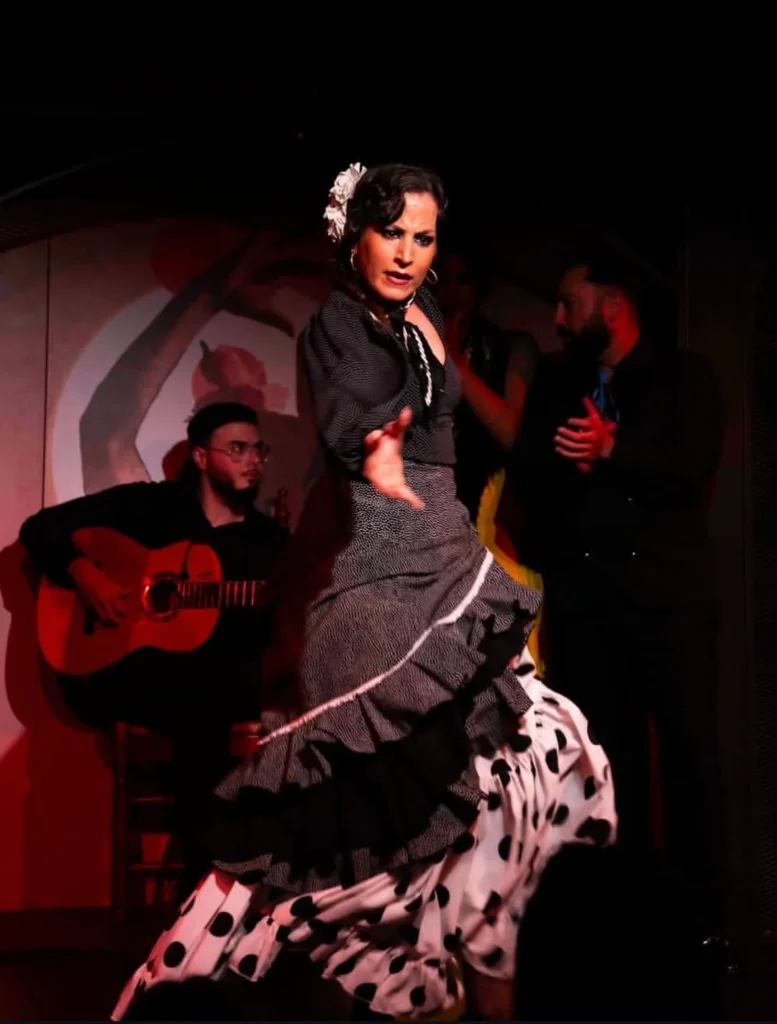
Seville is the home of flamenco and seeing it performed here — in a small tablao in the Triana neighborhood or in the caves of Sacromonte across the river — is a completely different experience from seeing it anywhere else.
The real flamenco is not a show. It is an expression of something deep and difficult. The best performances are in small venues with wooden benches and no distance between the performers and the audience.
Ask locals where to go. The best tablaos are not always the most advertised ones.
Visit the Alcázar
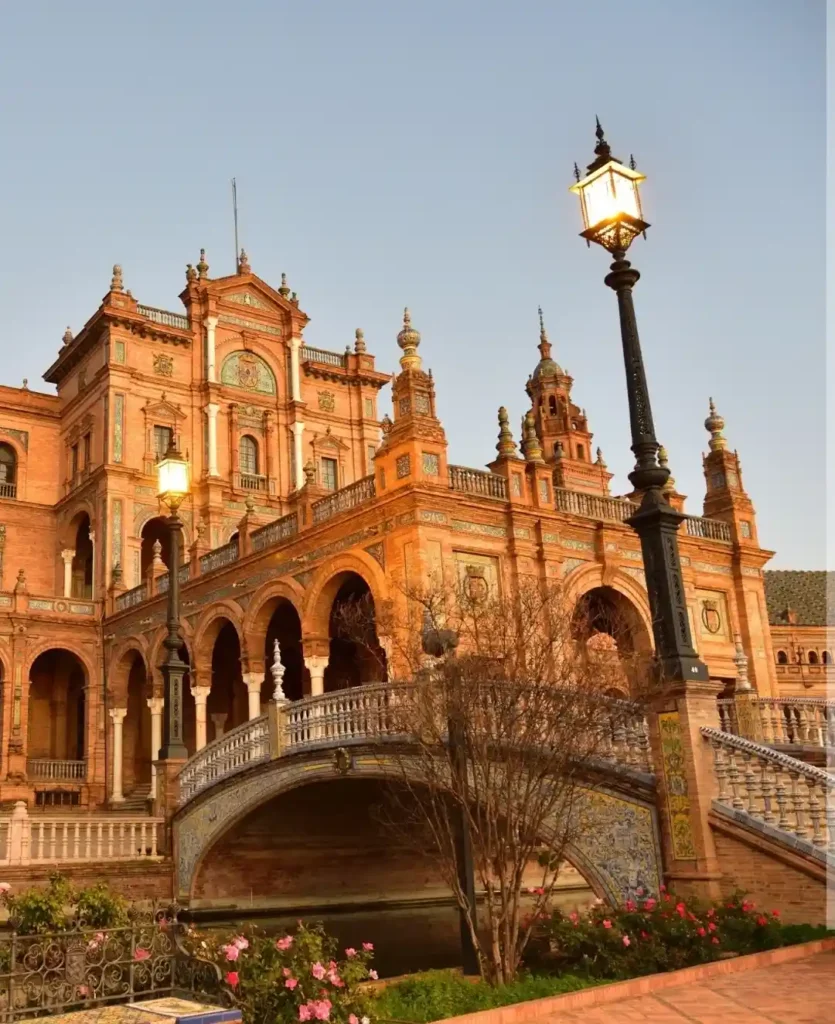
The Real Alcázar of Seville is the oldest royal palace still in use in Europe and one of the most extraordinarily beautiful buildings in Spain.
The Mudéjar architecture — a fusion of Islamic and Christian styles produced by the craftsmen who worked under both — fills room after room with intricately carved plasterwork, geometric tile floors, and wooden ceilings of impossible complexity.
The gardens behind the palace are a world of their own. Fountains, orange trees, pavilions, and pools surrounded by high walls that make the city outside feel completely unreachable.
Book tickets in advance. This is one of the most popular attractions in Spain.
Walk the Santa Cruz Quarter
The Santa Cruz neighborhood was Seville’s Jewish quarter for centuries and is now one of the most beautiful and atmospheric barrios in Andalusia.
Whitewashed walls. Wrought iron balconies covered in geraniums. Narrow streets that open suddenly into small tiled squares with fountains and orange trees.
Walk it in the early evening when the heat has dropped and the light is golden and the whole neighborhood smells of orange blossom. It is one of the great urban walks in Spain.
See the Cathedral and the Giralda
Seville Cathedral is the largest Gothic cathedral in the world and the third largest church of any kind on earth.
Columbus is buried here. The altarpiece is the largest in the world. The treasury holds enough gold and silver to make you understand where the wealth of an empire went.
Climb the Giralda — the former minaret of the mosque that stood here before the cathedral — via a series of ramps wide enough for a horse and rider. The view from the top over the rooftops of Seville is extraordinary.
Granada
Visit the Alhambra
The Alhambra is the finest example of Moorish architecture in the world and one of the most beautiful human-made structures that exists anywhere.
A palace complex built on a hilltop above Granada by the Nasrid sultans in the thirteenth and fourteenth centuries. The Nasrid Palaces inside the complex contain rooms of carved stucco and tile work of such complexity and refinement that they seem impossible to have been made by human hands.
The Generalife gardens above the palace — terraced gardens with water channels and cypress trees — are a different kind of beauty. Quieter. More contemplative.
Book tickets months in advance. This is absolutely non-negotiable. The Alhambra sells out weeks ahead in high season and day-of tickets are essentially impossible to find.
Go for your timed entry and then stay in the complex for the rest of the day. Walk the outer walls. Sit in the Generalife gardens. Watch the light change on the towers.
Walk the Albaicín
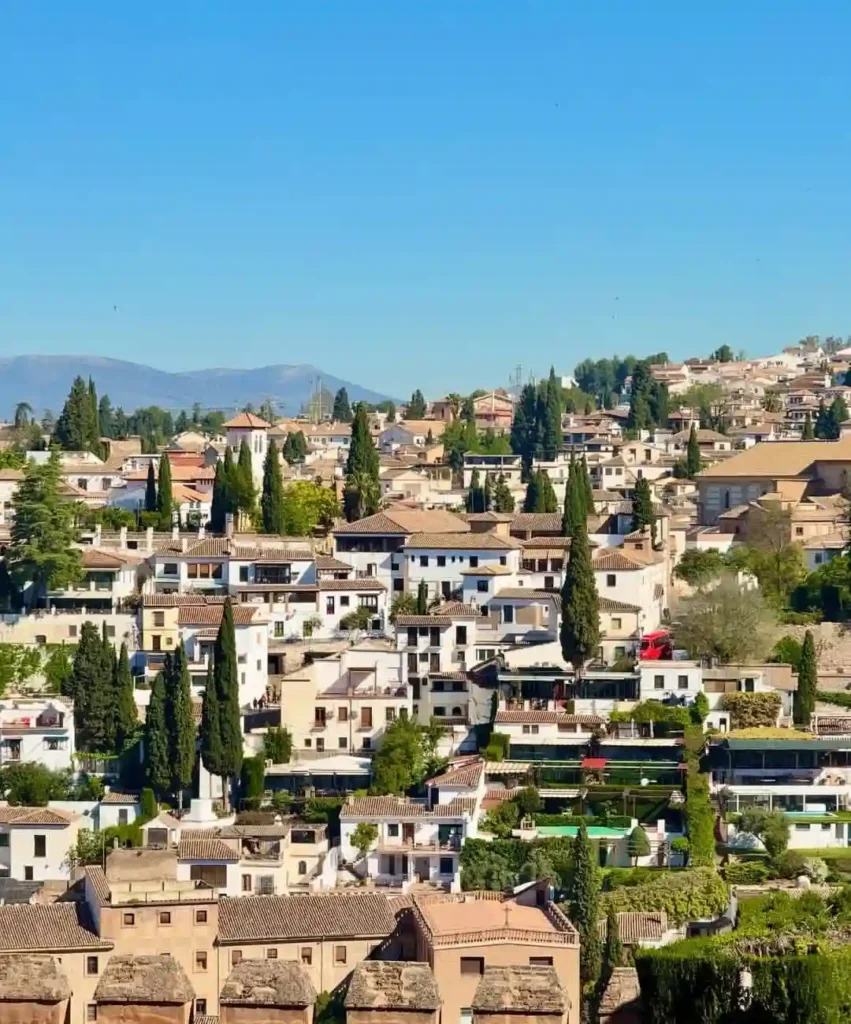
The Albaicín is Granada’s ancient Moorish quarter on the hill directly across the ravine from the Alhambra.
Whitewashed houses. Carmenes — private walled gardens — hidden behind high walls. Narrow streets that have not changed their basic geography in five centuries. Tea houses and spice shops along the Calderería Nueva where the smell of mint and cardamom hangs in the warm air.
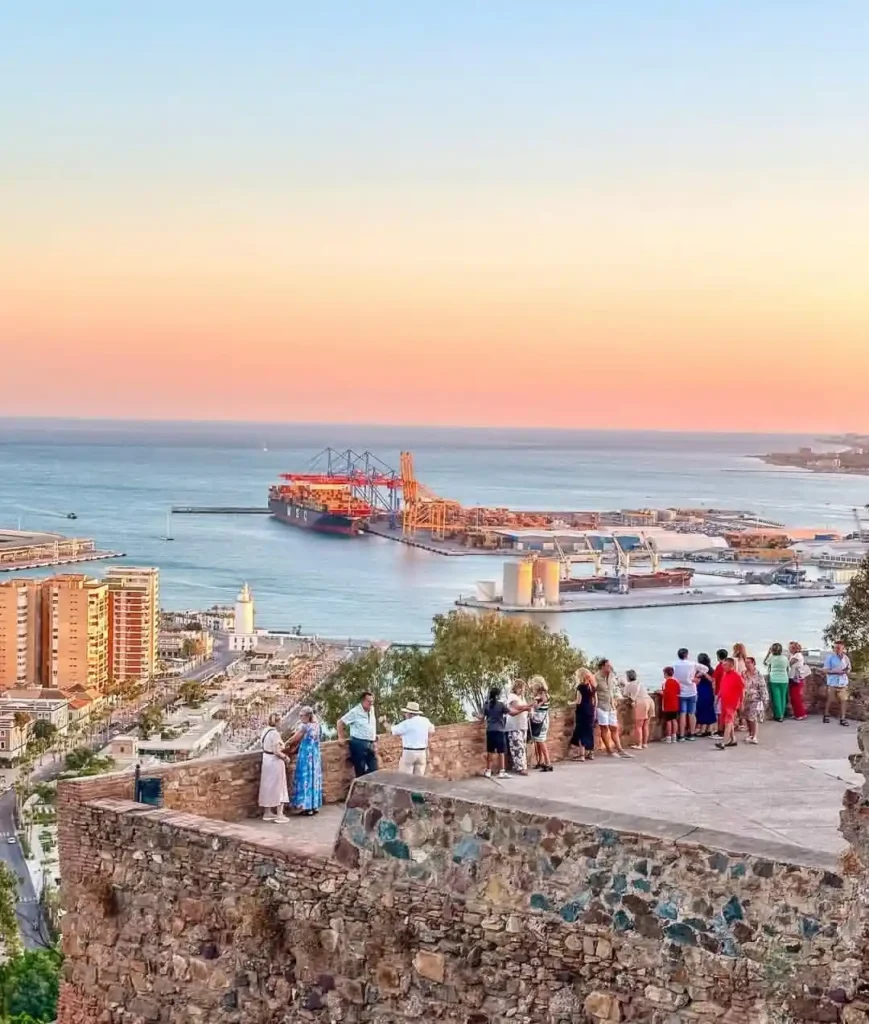
Walk up to the Mirador de San Nicolás in the late afternoon. The view across to the Alhambra with the Sierra Nevada snow-capped behind it at golden hour is the defining image of Granada and one of the great views in Spain.
Eat Tapas for Free
Granada is one of the last cities in Spain where tapas still come free with every drink ordered.
Order a beer or a glass of wine at a bar in the city centre or the Realejo neighborhood. A small plate of food arrives with it automatically. Order another drink. Another tapa arrives.
This is not a tourist promotion. It is simply how Granada operates. Eat your way through an entire evening for the price of a few drinks.
Read more about: Party Outfit Ideas: 15 Stylish Looks for Every Kind of Night Out
Valencia
Eat the Original Paella
Paella is from Valencia. Not from anywhere else. Not from the tourist restaurants in Barcelona or Madrid.
The original Valencian paella is made with chicken, rabbit, green beans, and sometimes snails. It is cooked over wood fire in a wide flat pan. The socarrat — the slightly caramelized layer of rice on the bottom — is the part Valencians argue over.
Go to a restaurant in the Albufera rice paddy area outside the city, or to one of the traditional restaurants in the Ruzafa neighborhood. Order the paella Valenciana. Eat it at Sunday lunch the way Valencians have eaten it for generations.
Visit the City of Arts and Sciences
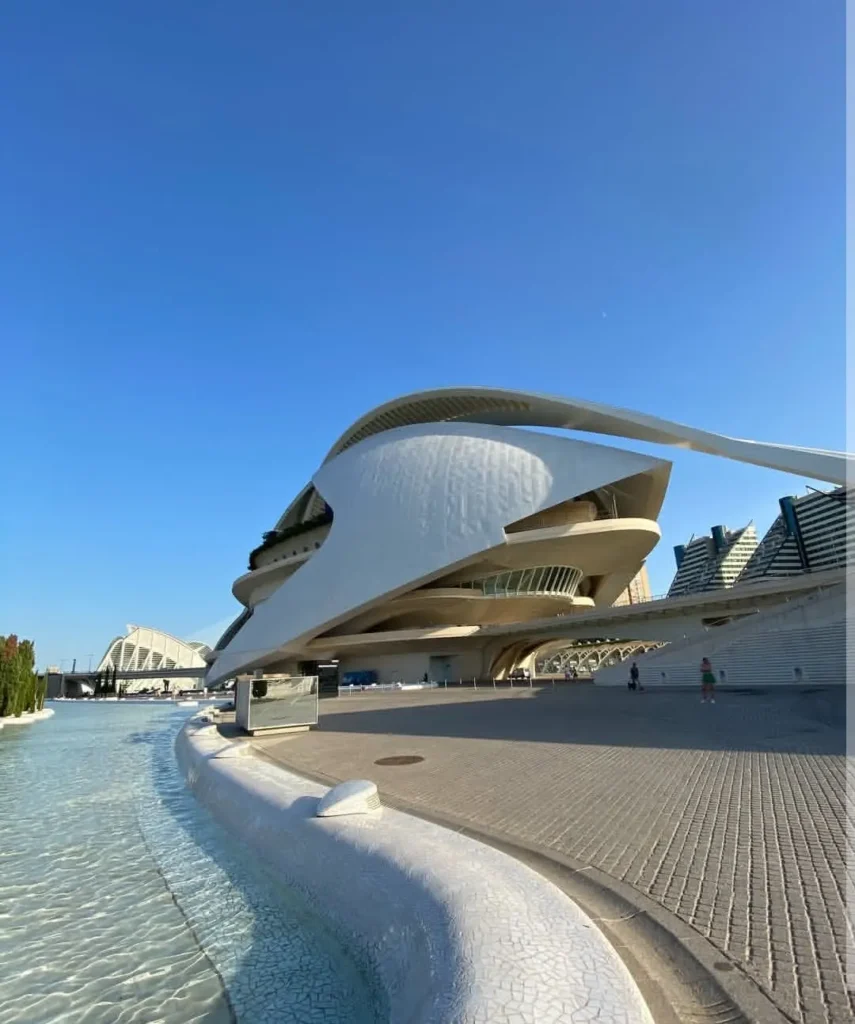
The Ciudad de las Artes y las Ciencias is one of the most striking examples of contemporary architecture in Europe.
Santiago Calatrava’s white bone-like structures — the Hemisfèric, the Museu de les Ciències, the Palau de les Arts opera house, the Oceanogràfic aquarium — line a two-kilometre reflecting pool in the old dried riverbed of the Turia.
Walk through it in the evening when the structures are lit against the dark sky and their reflections double everything in the still water below.
Walk the Turia Gardens
The old riverbed of the Turia river was converted into a nine-kilometre linear park after a catastrophic flood in 1957.
It runs through the entire city. Cycling paths, running trails, playgrounds, sports courts, orange groves, rose gardens, and quiet shaded paths all the way from the old city to the City of Arts and Sciences.
Rent a bicycle and ride the whole length of it. It is one of the finest urban parks in Europe and most visitors to Valencia walk past it without knowing it exists.
The Best Regions and Experiences Beyond the Cities
Andalusia
Drive the White Villages Route
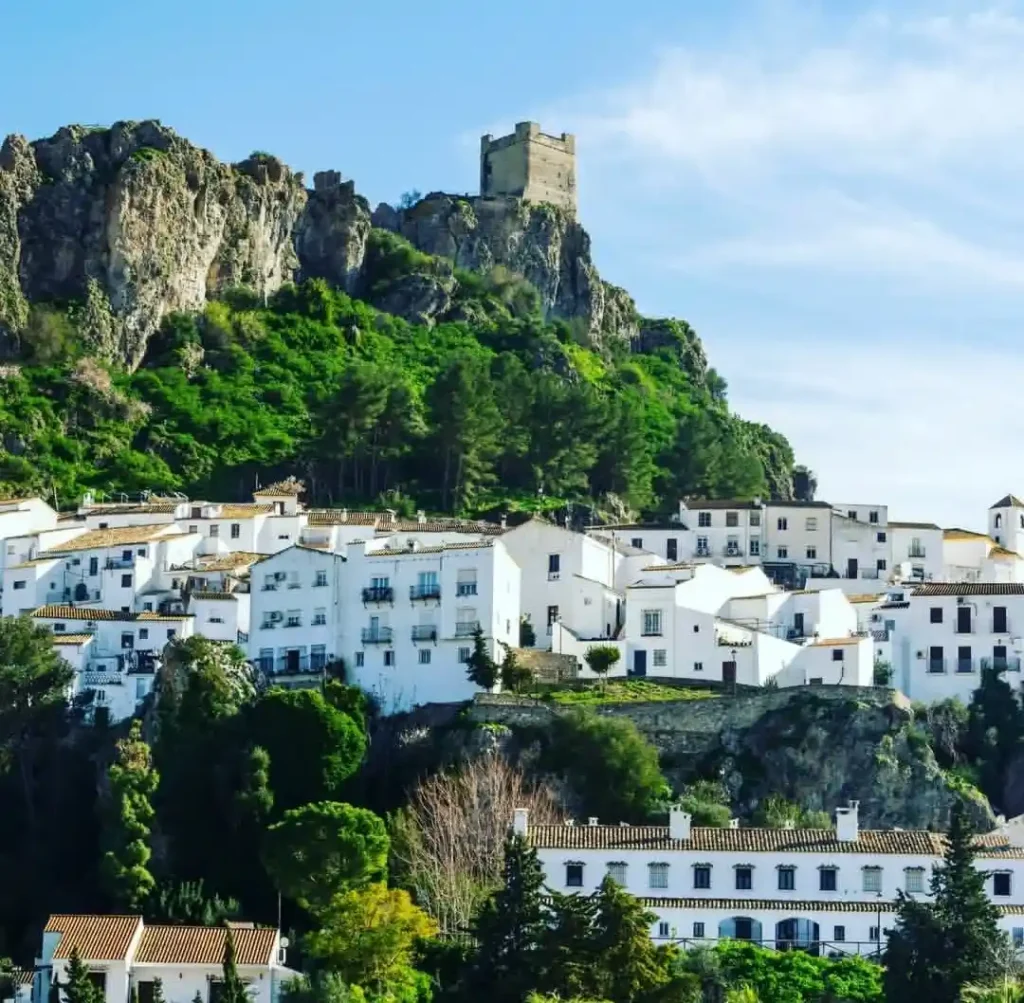
The Pueblos Blancos of Andalusia — the white villages of the Sierra de Grazalema and the Ronda highlands — are among the most beautiful villages in Europe.
Arcos de la Frontera. Zahara de la Sierra. Grazalema. Setenil de las Bodegas where the houses are built directly into the overhanging rock face and the street runs beneath a cliff of stone.
Rent a car. Take two or three days. Drive slowly between the villages. Eat lunch in whichever one you find yourself in at noon.
This is rural Andalusia at its most intact and most beautiful.
Visit Ronda
Ronda sits on a plateau divided by a dramatic gorge 120 metres deep with an eighteenth century stone bridge spanning it.
The views from the Puente Nuevo down into the El Tajo gorge are extraordinary. The old town on the far side of the bridge has one of Spain’s oldest bullrings, a Moorish old quarter, and the kind of spectacular natural setting that makes the whole city feel like it was designed for maximum visual impact.
Ernest Hemingway came here repeatedly. Orson Welles asked for his ashes to be scattered here. The place does something to people.
See the Flamenco of Jerez
Jerez de la Frontera is the other great flamenco city alongside Seville and its flamenco is arguably rawer and less performed-for-tourists than what you find in the larger city.
The Barrio de Santiago neighborhood is the traditional home of the gitano families who have produced the finest flamenco artists in history. The Peñas Flamencas — private flamenco clubs — occasionally open their doors to visitors.
Jerez is also the home of sherry. Visit a bodega. Drink manzanilla in the bar where the locals drink it. Stay longer than you planned to.
The Basque Country
Eat in San Sebastián
San Sebastián has more Michelin stars per square metre than any other city in the world except Kyoto.
But the real reason to eat in San Sebastián is not the fine dining. It is the pintxos bars of the Parte Vieja old town.
Small slices of bread loaded with extraordinary combinations of ingredients. Bite-sized masterpieces on every counter of every bar in a neighborhood dense with some of the finest casual eating in Europe.
Move from bar to bar. Order a glass of txakoli — the local slightly sparkling white wine — with each stop. Eat standing at the bar the way everyone else does.
This is the finest food culture in Spain and one of the finest in the world.
Walk the Camino de Santiago
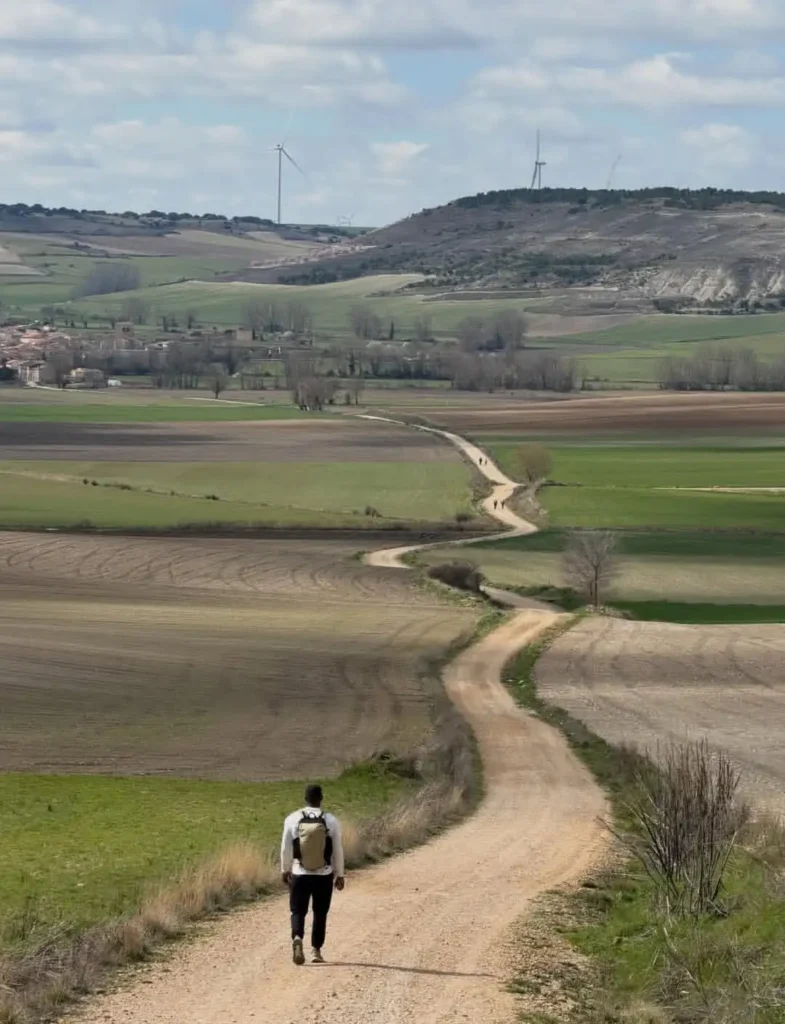
The Camino de Santiago is the ancient pilgrimage route to the tomb of Saint James in Santiago de Compostela in Galicia.
The most popular route — the Camino Francés — crosses the Pyrenees from France and walks 780 kilometres across northern Spain over approximately five weeks.
But you do not need to walk the whole thing. The final 100 kilometres from Sarria to Santiago takes five to seven days and earns the Compostela certificate given to all pilgrims who complete the journey.
Walking through the villages and forests of Galicia in the early morning with other pilgrims from every country in the world is one of the most distinctive travel experiences Spain offers.
Read more about: Beach Outfit Ideas: The Most Stylish Looks for Every Beach Day
Visit Bilbao and the Guggenheim
Bilbao transformed itself from an industrial city in decline into one of the most visited cultural destinations in Europe in the space of a decade largely on the strength of one building.
Frank Gehry’s Guggenheim Museum Bilbao — opened in 1997 — is a titanium-clad structure of flowing curves beside the Nervión River that remains one of the most significant works of contemporary architecture in the world.
The collection inside is excellent. The building itself is the reason to come. Walk around it multiple times. The shape changes completely from every angle.
The Spanish Islands
Explore Mallorca Beyond the Resorts
Mallorca is one of the most visited islands in the Mediterranean and one of the most misunderstood.
Beyond the resort hotels and crowded beaches of the south there is a completely different island. The Serra de Tramuntana mountain range in the northwest is a UNESCO World Heritage landscape of olive groves, stone terraces, and villages of extraordinary beauty.
Deià. Valldemossa. Sóller. The road between them is one of the finest drives in Europe.
Rent a car. Go north. The real Mallorca is there.
Visit Menorca
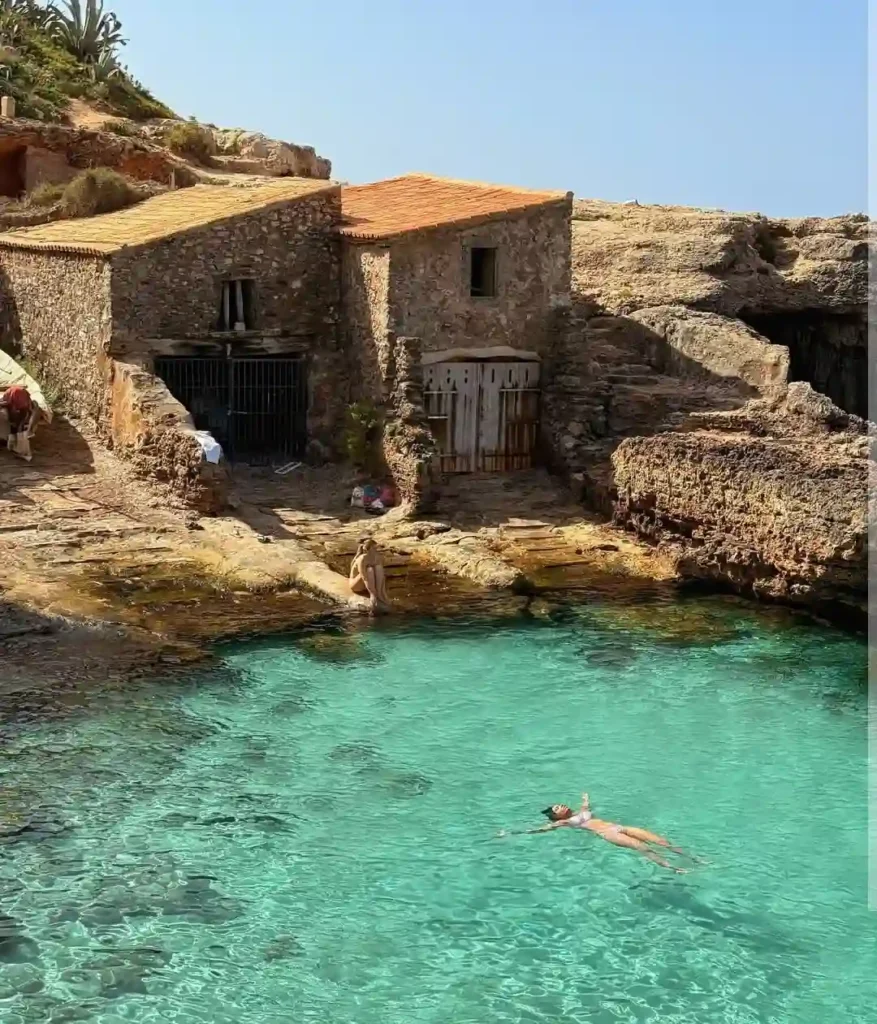
Menorca is the quieter, less developed sister island to Mallorca and one of the most beautiful islands in the Mediterranean.
Prehistoric talayot monuments scattered across the interior. Turquoise-water coves accessible only on foot or by boat. A capital city — Maó — with a harbour that is one of the deepest natural ports in the world.
The island is a UNESCO Biosphere Reserve. It has preserved itself from the overdevelopment that changed its neighbors. Come before everyone else discovers it.
Discover the Canary Islands
The Canary Islands off the northwest coast of Africa are a world entirely their own.
Tenerife has the third highest volcano in the world — Mount Teide — rising through clouds above a lunar landscape of black lava. Lanzarote has been shaped by volcanic eruptions into a surface that looks like another planet. La Palma and La Gomera are green and forested and almost entirely unknown to mass tourism.
The Canaries have a different climate, a different landscape, and a different pace from mainland Spain. They deserve more time than most visitors give them.
Practical Tips for Visiting Spain
Learn a few words of Spanish. Outside the major tourist areas English is less widely spoken than in northern Europe. Even basic attempts at Spanish are received warmly and open doors that stay closed to those who do not try.
Book the Alhambra months in advance. This cannot be overstated. The Alhambra is the most popular tourist attraction in Spain. It sells out weeks and months ahead. Book before you book your flights.
Eat on Spanish time. Lunch between two and four. Dinner after nine. Trying to eat at six in the evening in most Spanish cities means empty restaurants and confused waiters.
Take the AVE high-speed trains. The journey from Madrid to Seville takes two and a half hours. Madrid to Barcelona takes two hours forty minutes. These trains are comfortable, punctual, and usually cheaper than flying when booked in advance.
Carry cash for smaller towns and markets. Major cities are card-friendly everywhere. Smaller towns, rural restaurants, and market stalls often prefer cash.
Siesta is real. Many smaller shops and some restaurants close between two and five in the afternoon. Plan shopping and sightseeing accordingly.
Tap water is safe everywhere. Drink it freely. The water in Spain is safe in every city and town.
The Best Time to Visit Spain
Spain offers something extraordinary in every season. But some seasons are better for some places.
Spring (March to May) is the finest time to visit Andalusia. The temperatures are warm but not brutal. The wildflowers are in bloom across the countryside. Semana Santa — Holy Week — brings extraordinary processions to Seville, Granada, and Málaga that are among the most dramatic public events in Europe. Book accommodation months ahead if you want to be in Seville for Semana Santa.
Summer (June to August) is ideal for northern Spain — the Basque Country, Galicia, Cantabria — where temperatures are cooler and the landscape stays green. Avoid Andalusia in July and August unless heat is something you actively enjoy. The cities of the south reach 40 degrees or above regularly.
Autumn (September to October) is the finest time for Barcelona and the Mediterranean coast. The sea is still warm. The summer crowds have thinned. The light is extraordinary. The grape harvest brings life to the wine regions of Rioja, Ribera del Duero, and Priorat.
Winter (November to February) is mild in the south and on the islands. The Canary Islands are warm year-round. Skiing in the Sierra Nevada above Granada means you can ski in the morning and be on a Mediterranean beach in the afternoon — one of Spain’s stranger and more wonderful possibilities.
Final Thoughts
Spain is one of those countries that ruins you for other places.
Not because other places are not beautiful or interesting or worthy of your time. But because Spain has a particular quality — a generosity of light, a warmth of people, a richness of food and culture and history — that is difficult to find in quite this combination anywhere else.
You come for the Alhambra and you stay for the tapas. You come for Barcelona and you end up in a village in Andalusia wondering how you get to stay forever.
Every region reveals another reason to come back. Every city has more than you had time for. Every meal makes you understand something about this country that nothing you read could have told you.
Go slowly. Eat everything. Stay longer than you planned.
Spain rewards the traveler who pays attention with experiences that stay with them for years.
Eat late. Walk slowly. Let Spain show you what it is.